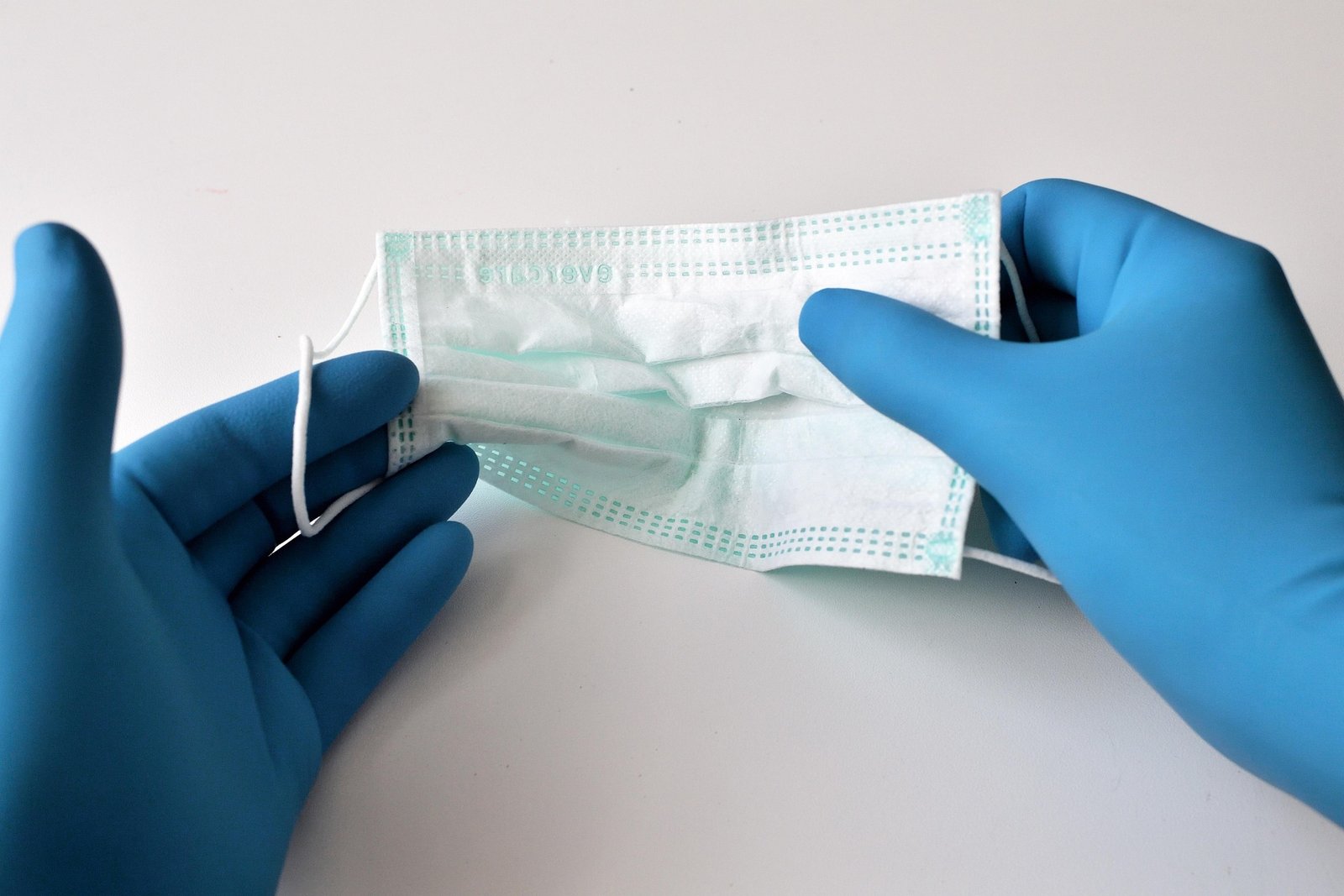
Winter in Britain can be challenging for health, as cold temperatures, shorter daylight hours, and seasonal illnesses increase the risk of physical and mental health issues. Maintaining immunity, staying active, and managing stress are essential during the colder months. Diet plays a crucial role, with foods rich in vitamins, minerals, and antioxidants helping to support overall wellbeing. Adequate hydration, proper clothing, and preventative measures against colds and flu are also important. Additionally, managing mental health is critical, as the lack of sunlight can contribute to seasonal affective disorder (SAD) and general mood dips. By adopting practical strategies such as regular exercise, balanced nutrition, and mindful self-care, residents across Britain can enjoy a healthier and more resilient winter season, reducing the likelihood of illness and promoting overall wellbeing.
Boosting Immunity During the Cold Months
Maintaining a strong immune system is crucial during Britain’s cold winter months. The body is more susceptible to viral infections such as colds, flu, and respiratory illnesses when temperatures drop, making immunity a key focus. Consuming a diet rich in vitamins and minerals supports immune function. Foods high in vitamin C, such as citrus fruits, berries, and leafy greens, help strengthen the body’s natural defenses. Vitamin D, often lacking during Britain’s darker months, can be obtained through supplements or fortified foods to aid immunity and bone health.
Regular hydration is equally important. Cold weather can reduce the sensation of thirst, but the body still requires sufficient fluids to maintain circulation, nutrient transport, and detoxification processes. Drinking water, herbal teas, and warm broths helps support overall health and prevents dehydration, which can weaken the immune system.
Sleep and rest also play a significant role in immunity. Adequate sleep enables the body to repair tissues, produce infection-fighting cells, and regulate hormones. Adults are advised to aim for 7–9 hours of quality sleep per night, while managing stress through mindfulness, meditation, or gentle exercise can further enhance immune resilience.
In addition to diet and rest, regular moderate exercise is beneficial. Activities such as walking, cycling, or home workouts stimulate circulation, boost white blood cell activity, and improve lung capacity. Even short daily sessions can significantly enhance immunity while reducing stress levels.
Preventative measures, including frequent handwashing, covering the mouth when coughing or sneezing, and maintaining clean home environments, help limit exposure to pathogens. Vaccinations, particularly the flu jab and other recommended immunisations, offer an added layer of protection against seasonal illnesses. By combining nutrition, hydration, exercise, sleep, and preventative practices, residents can strengthen their immune systems and reduce the risk of winter-related health issues.
Staying Active and Exercised in Winter
Maintaining regular physical activity is essential for health during Britain’s cold winter months. Reduced daylight, colder temperatures, and wet weather can make it tempting to stay indoors, but staying active supports cardiovascular health, boosts immunity, and improves mental wellbeing. Outdoor activities such as brisk walking, running, or cycling are beneficial, even in chilly conditions, as exposure to daylight helps regulate sleep patterns and vitamin D synthesis. Dressing appropriately with layers, hats, gloves, and waterproof clothing ensures comfort and safety while exercising outdoors.
Indoor exercise is another effective option, especially during adverse weather. Home workouts, yoga, resistance training, or gym sessions provide flexibility and can be tailored to individual fitness levels. Engaging in structured routines helps maintain muscle mass, improve circulation, and increase energy levels, which may otherwise decline during the sedentary winter months.
Social physical activities can also enhance motivation and adherence. Group classes, sports clubs, or online fitness communities provide encouragement and accountability, making exercise more enjoyable and consistent. Additionally, family-based activities such as walks in local parks or playful indoor games encourage movement while promoting bonding and mental wellness.
Exercise not only benefits physical health but also supports mental wellbeing. Regular activity reduces stress, combats seasonal affective disorder (SAD), and elevates mood through the release of endorphins. Combining aerobic exercises with strength training ensures comprehensive benefits, improving both cardiovascular fitness and musculoskeletal health.
Even short bursts of activity can have a significant impact. Integrating simple practices such as stretching during breaks, using stairs, or walking for errands helps maintain consistent movement. By prioritising regular exercise, whether outdoors or indoors, residents in Britain can mitigate the effects of winter, sustain energy levels, and support overall health throughout the colder months.
Maintaining a Balanced Diet in Winter
A balanced diet is essential for staying healthy during Britain’s cold winter months, as it provides the nutrients necessary to support immunity, energy levels, and overall wellbeing. Seasonal produce, including root vegetables, leafy greens, berries, and citrus fruits, supplies vitamins and minerals that help the body combat infections. Foods rich in antioxidants, such as kale, broccoli, and blueberries, reduce inflammation and support cellular health, which is especially important when facing winter illnesses.
Protein intake is equally important for maintaining muscle mass, repairing tissues, and supporting immune function. Lean meats, fish, eggs, legumes, and dairy products provide essential amino acids, while fatty fish such as salmon and mackerel supply omega-3 fatty acids that promote heart health and reduce inflammation. Incorporating a variety of protein sources ensures nutritional balance and helps sustain energy throughout the day.
Complex carbohydrates, including whole grains, oats, and root vegetables, provide long-lasting energy and regulate blood sugar levels. These foods also support gut health, which is closely linked to immune function. Healthy fats from sources like nuts, seeds, avocados, and olive oil contribute to brain function, hormone regulation, and overall cellular health, making them a vital part of a winter diet.
Hydration remains a key aspect of nutrition, even in colder months when thirst cues may diminish. Drinking water, herbal teas, and broths keeps the body hydrated, aids digestion, and supports detoxification processes. Limiting sugary drinks and excessive caffeine helps maintain stable energy levels and prevents dehydration-related fatigue.
Planning meals with seasonal and nutrient-rich foods, combined with proper hydration and balanced portions, ensures the body receives essential vitamins, minerals, and energy during the winter. A well-rounded diet supports immunity, mental clarity, and physical resilience, allowing residents to better manage the challenges of Britain’s colder months.
Mental Wellbeing and Coping with Seasonal Changes
Winter in Britain can have a significant impact on mental wellbeing due to shorter daylight hours, colder temperatures, and reduced outdoor activity. Seasonal affective disorder (SAD) is a common condition during this period, causing low mood, fatigue, and difficulty concentrating. Addressing mental health proactively is essential to maintain overall wellbeing and cope effectively with seasonal challenges.
Light exposure is a key factor in regulating mood and sleep patterns. Spending time outdoors during daylight, even on overcast days, can improve serotonin levels and circadian rhythm balance. For those with limited access to natural light, light therapy lamps offer an effective alternative, simulating sunlight to reduce symptoms of SAD and boost energy.
Maintaining social connections also supports mental health. Winter can lead to feelings of isolation, but regular interaction with family, friends, or community groups helps combat loneliness and provides emotional support. Participating in social activities, volunteering, or joining clubs encourages engagement, builds resilience, and fosters a sense of belonging.
Mindfulness, relaxation techniques, and stress management strategies are crucial for coping with winter-related mental challenges. Practices such as meditation, deep breathing exercises, and journaling can reduce anxiety, improve focus, and enhance overall emotional wellbeing. Incorporating hobbies and creative pursuits, such as reading, cooking, or crafting, offers additional outlets for relaxation and enjoyment.
Physical activity is another important component. Exercise releases endorphins, improves sleep quality, and reduces stress, complementing other mental health strategies. Combining movement with social interaction or outdoor exposure amplifies these benefits. By prioritising mental health through light exposure, social engagement, mindfulness, and exercise, residents in Britain can navigate the winter months with improved resilience, positivity, and emotional balance.
Preventing Common Winter Illnesses
Winter in Britain often brings an increase in seasonal illnesses such as colds, flu, and respiratory infections. Preventing these conditions requires a combination of hygiene practices, lifestyle adjustments, and timely medical interventions. Good hand hygiene, including regular washing with soap and water or the use of alcohol-based sanitizers, is a simple yet effective measure to reduce the spread of viruses. Avoiding close contact with infected individuals and keeping frequently touched surfaces clean further helps minimise exposure.
Vaccinations play a vital role in prevention. The annual flu jab, recommended for high-risk groups and the general population, significantly reduces the risk of influenza and associated complications. Staying up to date with other relevant immunisations, such as pneumococcal or COVID-19 boosters where advised, enhances immunity and provides additional protection against severe illness.
Diet and lifestyle choices also contribute to prevention. Adequate sleep, balanced nutrition rich in vitamins and minerals, and regular exercise strengthen the immune system, enabling the body to resist infections more effectively. Staying hydrated supports overall health, while limiting alcohol and tobacco consumption reduces vulnerability to illness.
Clothing and environmental precautions are important in cold and damp conditions. Dressing in layers, wearing hats, gloves, and waterproof footwear helps maintain body warmth and reduces the risk of hypothermia or frostbite. Ensuring proper home heating, adequate ventilation, and humidity control supports respiratory health and comfort during winter months.
By combining vaccinations, hygiene practices, healthy lifestyle choices, and appropriate clothing, residents in Britain can significantly reduce the incidence of winter illnesses. Proactive measures not only protect individual health but also contribute to broader community wellbeing by limiting the spread of contagious conditions.
Hydration and Skin Care in Cold Weather
Cold winter weather in Britain can take a toll on skin and hydration levels. Low temperatures, wind, and indoor heating contribute to dryness, irritation, and chapped skin. Maintaining proper hydration is essential, as water supports overall health, aids digestion, and helps regulate body temperature. Even in colder months, adults are advised to drink at least 1.5 to 2 litres of fluids daily, including water, herbal teas, and broths.
Moisturising regularly is crucial to protect the skin barrier. Using thick creams or ointments on hands, face, and exposed areas prevents dryness and reduces discomfort. Products containing ingredients like glycerin, hyaluronic acid, or shea butter help retain moisture and support skin repair. Lip balm and hand creams are particularly useful during extremely cold or windy conditions.
Sun exposure, though reduced in winter, still affects skin health. Using sunscreen on exposed areas during outdoor activities protects against UV damage, while wearing protective clothing, such as hats, scarves, and gloves, prevents windburn and chapping. Humidifiers at home can also improve indoor air quality, alleviating dryness caused by central heating.
Nutrition contributes to skin health as well. Consuming foods rich in omega-3 fatty acids, vitamins A, C, and E, and antioxidants supports hydration, elasticity, and repair. Fatty fish, nuts, seeds, and colourful fruits and vegetables provide essential nutrients to maintain healthy skin from within.
By combining proper hydration, targeted skin care routines, sun protection, and nutrient-rich diets, residents in Britain can protect their skin and overall health during the harsh winter months. These strategies help reduce discomfort, prevent skin damage, and contribute to a healthier, more comfortable winter season.
Mental Health Strategies for Winter
Winter can significantly impact mental health in Britain due to shorter daylight hours, colder weather, and reduced outdoor activity. Seasonal affective disorder (SAD) affects many individuals, leading to low mood, fatigue, and difficulty concentrating. Proactive strategies can help manage these symptoms and support overall emotional wellbeing throughout the season.
Light exposure is a key factor in maintaining mental health. Spending time outdoors during daylight, even on cloudy days, helps regulate circadian rhythms and boosts serotonin levels, improving mood and energy. For those with limited sunlight exposure, light therapy lamps can simulate natural sunlight and reduce the symptoms of SAD effectively.
Maintaining a consistent routine also helps mental stability. Regular sleep patterns, structured meal times, and planned daily activities provide a sense of control and normalcy, reducing stress and enhancing productivity. Mindfulness practices, meditation, and journaling offer additional outlets for managing anxiety and improving focus during the darker months.
Physical activity complements these mental health strategies. Exercise, including brisk walking, yoga, or home workouts, stimulates the release of endorphins, alleviates stress, and improves sleep quality. Combining exercise with outdoor exposure amplifies benefits, contributing to both physical and emotional resilience.
Social engagement is equally important for mental wellbeing. Connecting with family, friends, and community groups helps reduce feelings of isolation. Participating in online forums, hobby groups, or volunteering activities provides purpose, social interaction, and emotional support. By prioritising light exposure, routine, physical activity, and social connections, residents can navigate Britain’s winter months with improved mental health and overall wellbeing.
Cold Weather Precautions and Safety
Winter in Britain brings cold temperatures, icy conditions, and shorter daylight hours, making safety precautions essential. Preventing accidents and maintaining physical health during this season requires careful planning and awareness. Dressing in layers, wearing insulated and waterproof clothing, and using hats, gloves, and appropriate footwear helps protect against hypothermia, frostbite, and general cold-related discomfort. Proper footwear with good traction is especially important to reduce the risk of slips and falls on icy or wet surfaces.
Home safety is another key consideration. Ensuring adequate heating, checking smoke and carbon monoxide alarms, and maintaining heating appliances reduce hazards associated with cold weather. Keeping walkways and driveways clear of ice or snow also prevents accidents and facilitates safer movement for residents. Additionally, maintaining well-lit areas outdoors enhances visibility and reduces the likelihood of injuries during darker winter evenings.
Transportation safety requires extra attention during winter. Road conditions can be hazardous due to ice, snow, and fog. Drivers should ensure vehicles are winter-ready, including antifreeze levels, tire tread, and windscreen wipers. Pedestrians should also exercise caution when navigating slippery surfaces, wearing reflective clothing for visibility during low-light conditions.
Cold weather can exacerbate pre-existing health conditions, such as cardiovascular or respiratory issues. Regular monitoring, appropriate clothing, and limiting prolonged exposure to extreme cold are vital for vulnerable individuals, including the elderly and those with chronic illnesses. Preparing emergency kits with essentials such as blankets, warm drinks, and first aid supplies is also advisable.
By following practical safety measures and adopting precautionary habits, residents in Britain can navigate the winter months more securely. Awareness, preparedness, and sensible behaviour reduce risks, support physical health, and ensure a safer, more comfortable experience during the colder season.
Hydration, Nutrition, and Winter Energy
Maintaining proper hydration and nutrition is essential for sustaining energy levels during Britain’s colder months. Cold weather often reduces the sensation of thirst, but the body still requires adequate fluids to support circulation, digestion, and immune function. Drinking water, herbal teas, and warm broths ensures hydration, while limiting excessive caffeine and alcohol helps prevent dehydration-related fatigue.
Nutrition plays a crucial role in winter energy management. Consuming a balanced diet rich in complex carbohydrates, proteins, healthy fats, vitamins, and minerals supports metabolism and overall wellbeing. Seasonal foods such as root vegetables, whole grains, fatty fish, and citrus fruits provide essential nutrients, help maintain stable energy levels, and support immunity against winter illnesses.
Regular, smaller meals throughout the day can prevent energy dips and support cognitive function. Including nutrient-dense snacks like nuts, seeds, yogurt, and fruit offers additional energy and promotes satiety, reducing the temptation for high-sugar or processed foods. Omega-3 fatty acids from fish or plant-based sources contribute to brain health and mood regulation, which are particularly important during shorter daylight hours.
Supplements, such as vitamin D and multivitamins, can be considered, especially in regions with limited sunlight exposure. Vitamin D supports immune function, bone health, and mood, making it a key nutrient during Britain’s darker months. Consulting healthcare professionals before starting any supplementation ensures safety and effectiveness.
By prioritising hydration, balanced nutrition, and nutrient timing, residents can maintain energy, support immunity, and enhance overall resilience during winter. These strategies enable individuals to cope effectively with cold weather challenges while promoting long-term health and wellbeing.
Practical Lifestyle Tips for a Healthy Winter
Adopting practical lifestyle habits is essential for maintaining health and wellbeing during Britain’s winter months. Simple adjustments in daily routines can have a significant impact on immunity, energy levels, and mental health, helping residents navigate the challenges of colder weather with ease.
Maintaining consistent daily routines supports physical and mental stability. Regular sleep schedules, balanced meals, and scheduled physical activity provide structure and promote overall health. Exposure to natural light during the day, even for short periods, helps regulate circadian rhythms, improve mood, and support vitamin D synthesis.
Stress management is another key factor. Mindfulness practices, meditation, journaling, and relaxation exercises reduce anxiety, improve focus, and enhance emotional resilience. Allocating time for hobbies, creative projects, or social engagement fosters enjoyment and prevents winter-related lethargy or low mood.
Environmental adjustments within the home contribute to comfort and safety. Keeping living spaces warm, well-ventilated, and adequately humidified prevents cold-related illness and skin dryness. Preparing winter essentials, such as warm clothing, nutritional foods, and first-aid supplies, ensures readiness for sudden weather changes or emergencies.
Social interaction and community involvement remain important for mental and emotional wellbeing. Maintaining contact with family, friends, or local groups combats isolation and provides emotional support. Engaging in group activities, volunteer work, or online communities encourages connection, motivation, and a sense of purpose.
By combining structured routines, stress management, environmental adjustments, and social engagement, residents in Britain can enjoy a healthier, more resilient winter. These practical lifestyle strategies support physical immunity, mental wellbeing, and overall quality of life, making the season safer, more comfortable, and enjoyable.
FAQs: Britain Winter Health Tips
1. How can I boost my immunity during winter in Britain?
Boost immunity by eating a balanced diet rich in vitamins C and D, staying hydrated, getting adequate sleep, exercising regularly, and following hygiene practices such as handwashing and vaccinations.
2. What are the best exercises to stay active in winter?
Walking, jogging, cycling, yoga, home workouts, and resistance training are effective ways to stay active. Dressing warmly and using indoor exercise options helps maintain consistency during cold weather.
3. How should I adjust my diet for winter?
Include seasonal vegetables, fruits, whole grains, lean protein, and healthy fats. Nutrient-rich foods support immunity, energy levels, and overall health, while hydration remains essential even in colder months.
4. How can I manage mental health in winter?
Prioritise light exposure, maintain routines, practice mindfulness, stay socially connected, and exercise regularly. Light therapy lamps can help alleviate symptoms of seasonal affective disorder (SAD).
5. What precautions prevent common winter illnesses?
Practice good hygiene, stay hydrated, maintain a nutritious diet, wear appropriate clothing, and get vaccinations such as the flu jab to prevent colds and respiratory infections.
6. How do I protect my skin in winter?
Use moisturisers, lip balm, and protective clothing. Stay hydrated, limit hot showers, and consider humidifiers indoors to prevent dryness and irritation caused by cold and indoor heating.
7. How important is sleep during winter?
Adequate sleep (7–9 hours per night) is crucial for immunity, energy, mental wellbeing, and overall health, particularly during the shorter daylight hours of winter.
8. How can I stay safe in cold weather?
Dress in layers, wear waterproof and insulated clothing, use appropriate footwear, keep homes warm, and clear icy walkways to prevent accidents and cold-related health risks.
9. Should I take supplements during winter?
Vitamin D supplements are recommended due to limited sunlight exposure, along with multivitamins if needed. Consult a healthcare professional before starting any supplementation.
10. How can I maintain energy throughout winter?
Eat nutrient-rich, balanced meals, stay hydrated, exercise regularly, maintain a sleep routine, and take short breaks to move during sedentary periods to sustain energy levels.
To Read More: The Britain News Journal