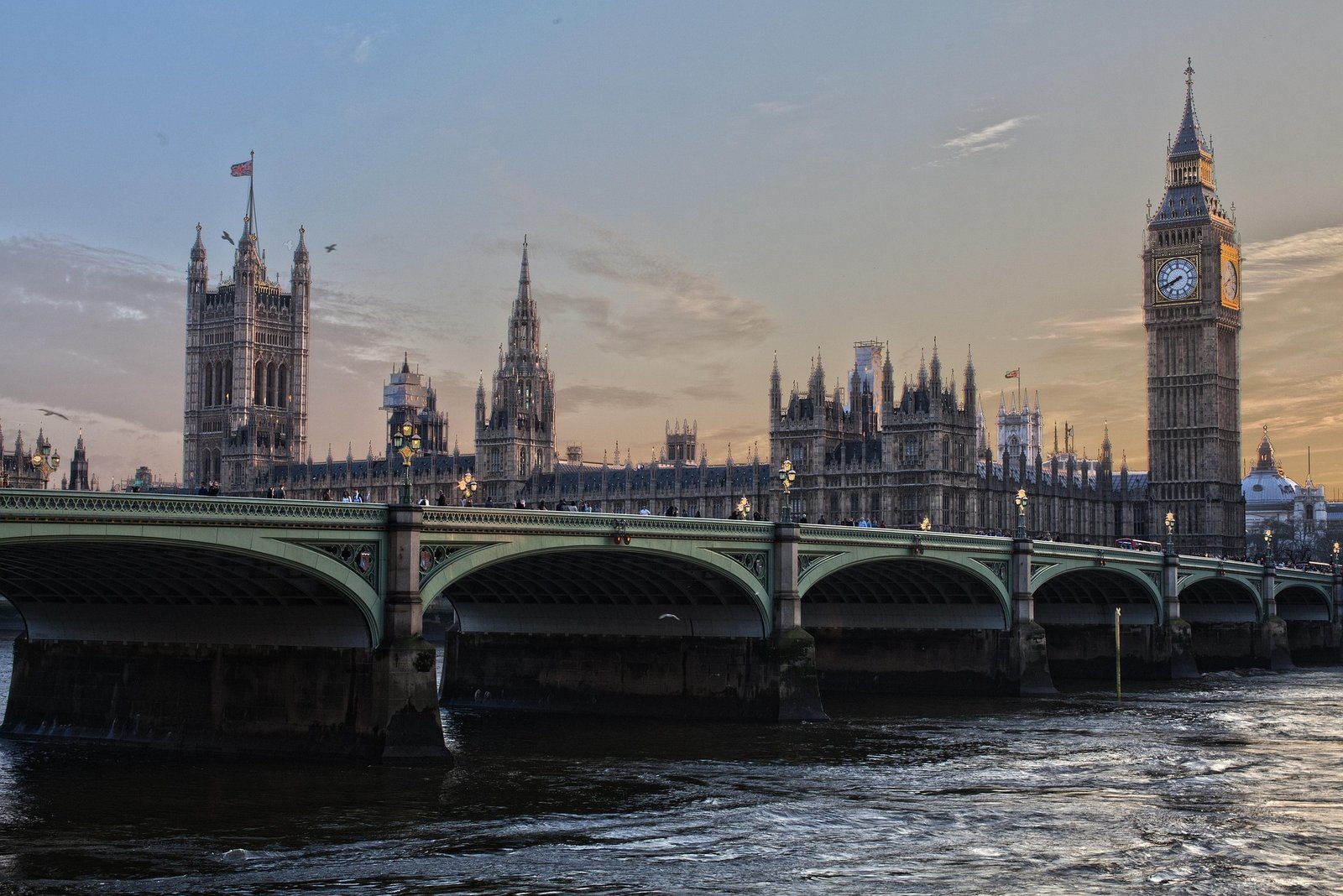
Exploring the United Kingdom can be an unforgettable experience in 2026, offering a mix of historic landmarks, vibrant cities, and stunning countryside. From the iconic streets of London to the rolling hills of the Lake District, planning ahead is essential for a seamless trip. Understanding transport options, local customs, and regional highlights can save time and enhance your journey. Budgeting wisely, booking accommodations in advance, and knowing the best times to visit popular attractions ensures a more enjoyable experience. Whether you are seeking cultural experiences, scenic landscapes, or hidden gems, a combination of careful preparation and flexibility will help you make the most of your UK adventure. With practical advice on navigating cities, choosing the right travel passes, and exploring off-the-beaten-path locations, these top travel tips provide everything you need to travel smart and safely across the UK.
Planning Your UK Trip Effectively
Planning is the cornerstone of any successful UK trip in 2026. The first step is to identify the regions or cities you want to explore, whether it’s the cultural vibrancy of London, the historic charm of Edinburgh, or the scenic beauty of the Scottish Highlands. Creating a flexible itinerary allows you to balance sightseeing with downtime, ensuring you don’t feel rushed. Booking accommodations in advance is recommended, particularly in popular destinations and during peak tourist seasons such as summer or holiday periods. Consider a mix of hotels, guesthouses, and short-term rentals to match your budget and preferred travel style.
Travel insurance is a crucial aspect often overlooked in UK planning. Health emergencies, transportation delays, and lost luggage can all disrupt a trip, and comprehensive insurance provides peace of mind. Additionally, understanding local entry requirements and regional regulations, including any updates post-Brexit, ensures smooth border crossings and travel within the UK. Carrying digital and physical copies of important documents can save time and prevent potential complications.
Budgeting effectively enhances your travel experience. The UK can be expensive, particularly in major cities, so planning costs for transportation, meals, and attractions in advance helps avoid surprises. Look for city tourism cards, discount passes, and online booking deals for museums, galleries, and historic sites. Off-peak travel and weekday visits often offer better pricing and fewer crowds. Prioritising experiences over material purchases ensures you make the most of your budget while enjoying authentic cultural and scenic experiences.
Technology can also aid planning. Travel apps for navigation, public transport, and local recommendations streamline your journey, helping you discover hidden gems and avoid delays. Online reviews and forums provide insight into attractions, restaurants, and activities, allowing you to make informed decisions. Planning tools like digital maps, itinerary apps, and currency converters enhance convenience, particularly for first-time visitors navigating unfamiliar areas.
Finally, research the cultural and seasonal aspects of your destinations. Weather in the UK is unpredictable, with rain common even in summer, so packing layers and waterproof clothing is essential. Understanding local customs, tipping etiquette, and public transport norms ensures respectful and smooth interactions. With careful planning and preparation, your UK trip in 2026 can be stress-free, memorable, and filled with unique experiences.
Getting Around: Transport Tips Across the UK
Navigating the United Kingdom efficiently is key to enjoying your 2026 trip, as transport options vary widely between cities, towns, and rural areas. Trains remain one of the most convenient and scenic ways to travel, with extensive rail networks connecting London to major cities like Manchester, Edinburgh, and Cardiff. Booking train tickets in advance often provides substantial savings, and using rail passes like BritRail can make travel across multiple regions more cost-effective. High-speed trains reduce travel time, while regional services allow for a closer view of the countryside.
Bus and coach services offer budget-friendly options, particularly for shorter journeys or routes not well-served by trains. Companies provide direct connections between cities and tourist destinations, often with comfortable seating and Wi-Fi facilities. For rural exploration, local buses can connect smaller towns and villages, though schedules may be limited, so planning ahead is essential. In some remote areas, taxis or ride-sharing services provide flexibility but can be costly for longer trips.
Driving in the UK offers freedom to explore off-the-beaten-path locations such as the Lake District, Cotswolds, or Scottish Highlands. Renting a car requires awareness of local driving rules, including left-hand traffic, speed limits, and congestion zones in city centres. Fuel costs and parking regulations should also be considered when planning driving routes. GPS or mapping apps help navigate rural roads, which can sometimes be narrow and winding, enhancing safety and convenience.
Within cities, public transport options such as buses, trams, and the London Underground provide fast and affordable mobility. Contactless payment cards and mobile apps simplify fare payments, while city-specific travel passes can offer unlimited daily or weekly travel at a fixed cost. Walking and cycling are excellent ways to experience city centres, historic districts, and scenic routes, offering a more immersive perspective than motorised transport.
Ferries and domestic flights expand travel possibilities, particularly for Scotland, Northern Ireland, and the Isle of Wight. Short flights or ferry crossings are practical for reaching coastal regions and islands, allowing for greater flexibility in itineraries. Combining multiple transport modes—train, bus, car, and ferry—enables travellers to optimise both time and experience. Understanding and planning for UK transport options ensures smooth movement, cost efficiency, and access to both popular attractions and hidden gems.
Where to Stay: Accommodation Tips for Every Budget
Choosing the right accommodation is essential for a comfortable and convenient UK trip in 2026. The country offers a wide range of options, from luxury hotels and boutique stays to budget hostels and self-catering apartments. Major cities like London, Edinburgh, and Manchester have a high concentration of hotels, often close to transport hubs and key attractions, making them ideal for first-time visitors. Booking in advance ensures availability, particularly during peak travel seasons or festivals, and allows for better rates.
For travellers seeking local charm, guesthouses, B&Bs, and country inns provide a more personalised experience. Many of these accommodations are family-run, offering insights into local culture, regional cuisine, and hidden spots that larger hotels may not provide. Staying in smaller towns or rural areas can also be more affordable than city centres while providing a peaceful retreat after busy sightseeing days.
Self-catering options, including holiday cottages and serviced apartments, are popular for longer stays or families. These accommodations offer the flexibility to prepare meals, manage daily routines, and explore at your own pace. They are particularly useful when visiting regions like the Lake District, Scottish Highlands, or coastal areas where dining options may be limited. Online platforms make it easy to find well-reviewed properties that suit specific preferences and budgets.
Hostels and budget accommodations remain ideal for backpackers, solo travellers, or those seeking minimal costs. Modern hostels in major cities now offer private rooms alongside dormitory-style accommodation, often including shared kitchens, communal areas, and social events. These spaces not only reduce costs but also provide opportunities to meet fellow travellers and exchange tips for exploring the UK.
When choosing accommodation, consider location relative to transport links, attractions, and amenities. Proximity to train stations, bus stops, or walking routes can save time and reduce transportation costs. Additionally, reading recent reviews and checking cancellation policies ensures a stress-free experience. By selecting accommodation that matches your travel style, budget, and itinerary, your UK trip can be both comfortable and memorable.
Must-Visit Cities and Attractions
The United Kingdom is home to a diverse array of cities and attractions, each offering unique experiences for travellers in 2026. London remains a must-visit destination, combining historic landmarks like the Tower of London and Westminster Abbey with modern attractions such as the Shard and vibrant theatre districts in the West End. Iconic museums, galleries, and markets add to the city’s appeal, making it suitable for history enthusiasts, art lovers, and foodies alike.
Edinburgh, Scotland’s capital, offers a blend of medieval charm and contemporary culture. The historic Edinburgh Castle, the Royal Mile, and the annual Edinburgh Festival Fringe attract tourists from around the world. Beyond the city, the surrounding Scottish Highlands provide stunning landscapes for hiking, wildlife spotting, and photography. Edinburgh is also known for its lively dining scene and cosy pubs, offering visitors authentic local experiences alongside cultural immersion.
Manchester and Liverpool are essential stops for culture and music enthusiasts. Manchester’s football heritage, modern architecture, and museums make it a vibrant urban destination. Liverpool, famous for its maritime history and music legacy, particularly The Beatles, offers waterfront attractions, galleries, and an energetic nightlife. Both cities also host festivals and events throughout the year, showcasing contemporary arts, music, and culinary experiences.
Northern cities such as York and Newcastle combine history with charm. York is renowned for its medieval walls, Gothic cathedral, and cobbled streets, while Newcastle impresses with its bridges, nightlife, and industrial heritage. In Wales, Cardiff and Snowdonia National Park provide a mix of urban exploration and natural adventure, while Northern Ireland’s Belfast and Giant’s Causeway offer geological wonders and historic insights.
For nature lovers, regions like the Lake District, Peak District, and Cornwall provide breathtaking landscapes and outdoor activities. Coastal paths, mountains, and countryside villages offer opportunities for hiking, cycling, and water sports. Exploring these areas often requires some planning, as public transport may be limited, but the reward is access to some of the UK’s most iconic scenery. By including a mix of cities, cultural landmarks, and natural wonders, travellers can experience the full richness of the United Kingdom.
Hidden Gems and Off-the-Beaten-Path Locations
While iconic cities and attractions draw millions of visitors, the United Kingdom also boasts numerous hidden gems that offer unique experiences away from the crowds. In 2026, exploring lesser-known destinations allows travellers to enjoy authentic local culture, scenic beauty, and historic charm without the busyness of major tourist hubs. Small towns, quaint villages, and rural areas provide a slower-paced experience that showcases the UK’s diverse heritage and landscapes.
In England, towns like Rye in East Sussex and Hebden Bridge in West Yorkshire offer cobbled streets, independent shops, and a strong sense of community. Coastal areas such as Whitby or St Ives combine picturesque beaches with rich maritime history, while the Cotswolds feature rolling hills, stone cottages, and traditional pubs perfect for immersive countryside exploration. These locations often include walking trails, local markets, and artisanal food experiences that create memorable and personal travel moments.
Scotland offers hidden gems beyond Edinburgh and Glasgow. Places like Oban, the Isle of Skye, and the Cairngorms National Park provide dramatic landscapes, wildlife spotting opportunities, and adventure activities. Small Scottish islands offer unique cultural experiences and a sense of remoteness that contrasts sharply with busy city life. Northern Ireland’s Causeway Coast and small towns like Derry/Londonderry present historic sites alongside breathtaking coastal views, giving travellers a mix of history and natural beauty.
Wales also provides off-the-beaten-path experiences. Snowdonia National Park, Pembrokeshire Coast, and Brecon Beacons combine hiking trails, rugged landscapes, and historic castles. Villages along the coast or in the valleys often feature local artisan crafts, regional cuisine, and cultural festivals, offering immersive experiences that reveal authentic Welsh life. These hidden gems often require careful planning, especially in terms of transport and accommodations, but the payoff is the chance to see the UK beyond guidebook highlights.
Visiting these locations also encourages sustainable and responsible travel. Fewer crowds mean a lower environmental impact, and supporting local businesses contributes to regional economies. By exploring hidden gems, travellers not only discover unique experiences but also gain a deeper understanding of the UK’s culture, history, and natural landscapes. For those willing to venture beyond major attractions, these off-the-beaten-path locations make UK travel in 2026 both rewarding and memorable.
Seasonal Travel Tips and Best Times to Visit
Timing your trip is a crucial aspect of travelling in the United Kingdom in 2026. The UK experiences a range of weather conditions throughout the year, and understanding seasonal patterns helps maximise enjoyment while minimising inconvenience. Summer, from June to August, is the peak tourist season, offering longer daylight hours, milder weather, and numerous festivals. Cities and countryside locations alike are lively, but accommodation and travel costs tend to be higher, and popular attractions can be crowded. Booking in advance is essential during this period.
Spring, from March to May, provides a balance between favourable weather and fewer crowds. Blooming gardens, scenic landscapes, and moderate temperatures make it ideal for outdoor activities, including hiking, cycling, and exploring national parks. Festivals and cultural events in spring add extra value to visits, from flower shows to historical reenactments. Autumn, from September to November, offers cooler weather, vibrant foliage, and quieter tourist spots, making it an excellent season for photography, coastal walks, and countryside exploration.
Winter, from December to February, presents a different experience with festive markets, historic town atmospheres, and seasonal events. While weather can be cold and wet, it’s the perfect time to enjoy cosy pubs, winter festivals, and indoor attractions such as museums, galleries, and theatres. Some rural and remote areas may have limited accessibility during this season, so travellers should plan accordingly and check transport availability.
Weather preparation is essential for all seasons in the UK. Rain is common year-round, so packing waterproof clothing, layers, and sturdy footwear ensures comfort and safety. Additionally, regional weather variations exist: Scotland tends to be cooler and wetter, southern England sunnier, and coastal areas windier. Checking local forecasts and adapting daily plans accordingly helps avoid disruptions and enhances the travel experience.
Seasonal activities and events also influence travel plans. Outdoor festivals, sporting events, and cultural celebrations often coincide with specific times of the year, adding unique experiences to your itinerary. By aligning travel dates with preferred activities and weather conditions, visitors can make the most of their UK trip. Understanding seasonal patterns and planning accordingly ensures a smooth, enjoyable, and memorable visit throughout the year.
Food, Drink, and Culinary Experiences Across the UK
The United Kingdom offers a rich and diverse culinary scene, combining traditional dishes, regional specialties, and modern fusion cuisine. In 2026, food remains a central part of the UK travel experience, with cities, towns, and countryside destinations each offering unique tastes and dining opportunities. English classics such as fish and chips, Sunday roasts, and Cornish pasties are widely available, while regional variations provide insight into local culture and heritage. Markets, gastropubs, and street food festivals allow travellers to sample fresh, seasonal ingredients while enjoying authentic flavours.
Scotland offers iconic dishes like haggis, Cullen skink, and locally sourced seafood. Whisky tasting experiences are popular, with distillery tours providing a combination of history, craftsmanship, and tasting opportunities. In Northern Ireland, traditional Ulster fry breakfasts, seafood, and soda bread highlight regional culinary traditions, often paired with locally brewed beers or spirits. Wales is known for lamb, leeks, and cheeses such as Caerphilly, with farmers’ markets and food festivals celebrating the best of Welsh produce.
Urban centres like London, Manchester, and Edinburgh offer a global culinary experience, with Michelin-starred restaurants, ethnic cuisine, and innovative fusion dishes alongside traditional British fare. Food markets such as Borough Market in London or St George’s Market in Belfast allow visitors to explore artisan products, fresh produce, and street food, reflecting the country’s multicultural influences. Coffee shops, bakeries, and tearooms provide cultural staples, including afternoon tea, scones, and pastries.
Culinary experiences are not limited to restaurants and markets. Farm visits, cooking workshops, and brewery tours provide immersive experiences that connect visitors with local producers and traditional methods. Sampling local specialties in their place of origin enhances understanding of the country’s culinary diversity while supporting regional economies. Seasonal events, such as harvest festivals and Christmas markets, offer additional opportunities to enjoy traditional foods and drinks, making the timing of travel significant for gastronomic experiences.
Understanding dining etiquette, tipping practices, and meal timings can enhance the overall experience. While the UK is informal compared to many countries, polite behaviour, respect for service staff, and awareness of peak dining hours help travellers enjoy meals smoothly. By embracing both traditional dishes and contemporary culinary experiences, visitors can fully appreciate the UK’s rich food culture while making their journey memorable and enjoyable.
Shopping and Souvenirs: What to Buy in the UK
Shopping in the United Kingdom offers a mix of high-street brands, luxury boutiques, artisanal crafts, and unique souvenirs that reflect the country’s culture and heritage. In 2026, travellers can explore vibrant shopping districts in cities such as London, Edinburgh, Manchester, and Liverpool, where flagship stores, designer shops, and independent retailers coexist. From Oxford Street in London to Princes Street in Edinburgh, city centres provide diverse options for fashion, accessories, and lifestyle products, catering to a range of budgets and tastes.
For those seeking traditional UK souvenirs, regional products are particularly appealing. Scottish tartans, kilts, and cashmere items represent Scottish heritage, while Welsh wool, leeks, and handcrafted ceramics celebrate local craftsmanship. English souvenirs often include fine china, tea sets, and specialty foods such as shortbread, jam, or chocolates. Northern Ireland offers linen products, pottery, and handcrafted gifts inspired by local history and landscapes. These items not only make meaningful keepsakes but also support local economies and artisans.
Markets, independent shops, and craft fairs are ideal for discovering one-of-a-kind items. Farmers’ markets and artisan fairs across the UK provide handmade products, jewellery, and artwork that cannot be found elsewhere. Flea markets and vintage shops in major cities offer unique finds, from retro clothing to antiques, appealing to collectors and travellers seeking authentic local experiences. Street markets, such as Camden Market in London or Grassmarket in Edinburgh, combine shopping with a lively cultural atmosphere, enhancing the overall experience.
Shopping for food and drink products is also popular. Local delicacies such as Scottish whisky, English ales, Welsh cheeses, and Northern Irish baked goods can be purchased as gifts or enjoyed during your stay. Specialty stores, distilleries, and breweries often offer tasting sessions, providing a deeper understanding of production methods and flavour profiles, making these items both enjoyable and educational.
Travellers should consider practical tips for shopping, including understanding local tax refund schemes, transport options for carrying purchases, and opening hours, which can vary by location. Planning shopping trips around market days or seasonal sales maximises choice and value. By combining high-street shopping, local crafts, and regional food products, visitors can collect meaningful mementoes while fully experiencing the diverse cultural and commercial landscape of the UK.
Outdoor Activities and Adventure Travel
The United Kingdom offers an abundance of outdoor activities and adventure travel opportunities, making it an ideal destination for active travellers in 2026. From hiking and cycling to water sports and climbing, the UK’s diverse landscapes provide options for all levels of experience. National parks such as the Lake District, Peak District, Snowdonia, and Cairngorms are perfect for trekking, mountain biking, and wildlife spotting, offering breathtaking scenery and well-maintained trails. Planning ahead and checking local conditions ensures safety and maximises enjoyment.
Coastal regions provide a variety of water-based activities. Surfing, kayaking, paddleboarding, and sailing are popular along the Cornish coast, Wales, and Scotland’s islands. Local operators offer lessons, guided tours, and equipment rental, making these activities accessible even for beginners. Coastal walking paths, such as the South West Coast Path in England or the Causeway Coast Way in Northern Ireland, combine physical activity with scenic views, allowing travellers to explore both natural beauty and historic landmarks along the way.
Adventure sports enthusiasts can also find opportunities for rock climbing, caving, and zip-lining. Scotland’s Highlands and northern England offer rugged terrains suitable for climbing and mountaineering, while indoor facilities across the UK provide training and experience for beginners or when weather conditions are less favourable. Many adventure centres also combine activities with accommodation and local cultural experiences, creating immersive travel options for families or groups.
Camping and glamping remain popular for those wanting to fully immerse themselves in nature. National parks, coastal sites, and woodland areas offer both traditional camping pitches and luxury glamping pods. These options allow travellers to enjoy the outdoors while benefiting from amenities and comfort, catering to different preferences and budgets. Seasonal considerations, such as weather and daylight hours, are important when planning outdoor adventures to ensure safety and accessibility.
Responsible travel and environmental awareness are crucial when engaging in outdoor activities. Preserving trails, respecting wildlife, and following local regulations ensure that natural areas remain protected for future visitors. By combining adventure, relaxation, and cultural exploration, travellers can experience the UK’s landscapes in a dynamic and memorable way, making outdoor activities an essential part of any 2026 visit.
Budget Travel Tips and Money-Saving Advice
Travelling in the United Kingdom doesn’t have to be expensive, and 2026 offers many ways for visitors to enjoy the country while staying within budget. Planning ahead is key: booking train tickets, flights, and accommodations in advance often provides significant savings. Off-peak travel, weekdays, and shoulder seasons offer lower prices for attractions, transport, and lodging. Flexible itineraries allow travellers to take advantage of last-minute deals or discounts on tickets for cultural sites, museums, and tours.
Public transport passes, such as railcards or city travel cards, can substantially reduce costs for both urban and regional travel. For instance, student or senior railcards provide discounts on trains, while London’s Oyster card or similar city cards enable affordable and convenient travel across buses and underground lines. Using these passes strategically ensures that transport expenses remain manageable, even when visiting multiple cities or regions.
Accommodation costs can also be minimised without compromising comfort. Hostels, budget hotels, and self-catering apartments provide affordable options, especially outside central city areas. Sharing rooms or booking in advance often yields additional savings. For longer stays, holiday cottages or serviced apartments can be cost-effective, particularly for groups or families, as they allow cooking meals and reducing dining expenses.
Dining on a budget is achievable by combining traditional pubs, casual eateries, and street food markets. Local supermarkets and takeaways offer affordable meals, while markets provide fresh, seasonal, and often cheaper options. Sampling regional specialities at food stalls can be a more economical alternative to dining in high-end restaurants, and it also provides authentic culinary experiences.
Free and low-cost attractions are abundant across the UK. Many museums, galleries, parks, and historic sites offer free entry, while scenic hikes, coastal walks, and local festivals provide entertainment at minimal cost. Combining these experiences with careful budgeting and mindful spending ensures that travellers can explore the UK fully without financial strain. By planning strategically, taking advantage of discounts, and embracing local options, budget-conscious visitors can enjoy a rich and memorable UK experience in 2026.
FAQs: Top UK Travel Tips
1. What is the best time of year to visit the UK?
The UK is best visited during late spring (March–May) or early autumn (September–October) for mild weather, fewer crowds, and beautiful landscapes. Summer offers longer days but higher costs and busy tourist spots.
2. How can I travel cheaply around the UK?
Use railcards, city transport passes, or coach services for cost-effective travel. Booking tickets in advance and travelling during off-peak times also saves money. Combining public transport with walking or cycling can reduce expenses further.
3. What types of accommodation are available in the UK?
Options include hotels, B&Bs, guesthouses, hostels, self-catering apartments, and holiday cottages. Cities have luxury and budget options, while rural areas offer cottages or glamping for a countryside experience.
4. Are there any hidden gem destinations in the UK?
Yes, places like Rye, Hebden Bridge, St Ives, Oban, and the Isle of Skye offer scenic beauty, local culture, and fewer crowds compared to major cities. Exploring smaller towns and villages gives an authentic UK experience.
5. What should I pack for a UK trip?
Pack layers, waterproof clothing, sturdy footwear, and a mix of casual and formal attire. Weather is unpredictable, so having rain gear and comfortable shoes for walking is essential.
6. Is tipping required in UK restaurants?
Tipping is not mandatory but appreciated. Generally, 10–15% of the bill is customary if service is not included. Pubs and casual eateries rarely require tipping.
7. Can I use credit cards across the UK?
Yes, credit and debit cards are widely accepted, especially contactless payments. Having some cash is useful for small towns, markets, or remote areas where card payments may be limited.
8. What outdoor activities can I do in the UK?
Hiking, cycling, water sports, rock climbing, and camping are popular. National parks, coastal paths, and adventure centres provide options for beginners and experienced outdoor enthusiasts.
9. Are UK attractions expensive?
Costs vary; major museums and galleries may charge entry, but many offer free admission. Outdoor attractions, historic sites, and national parks are often free or low-cost, making budget travel possible.
10. How can I experience UK food on a budget?
Visit local markets, street food vendors, pubs, and casual eateries. Sampling regional specialties like Cornish pasties, Scottish seafood, or Welsh cheeses is affordable and provides an authentic culinary experience.
To Read More: The Britain News Journal