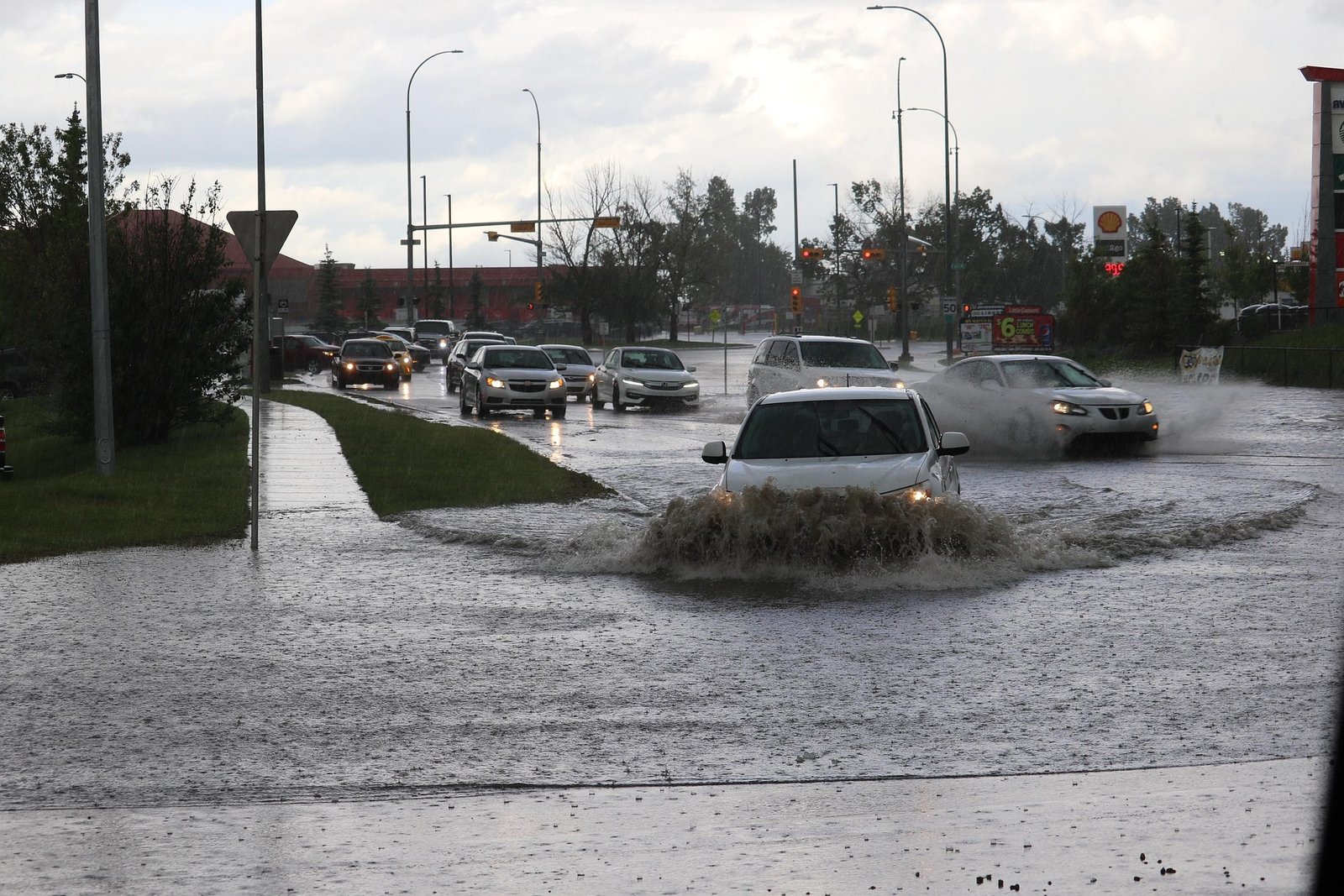
The UK regularly faces flood risks due to heavy rainfall, rising river levels, and coastal surges, prompting the Environment Agency to issue flood warnings to protect communities. These alerts provide critical information for residents, local authorities, and emergency services to prepare and respond effectively. Flood warnings in the UK vary in severity, ranging from “Flood Alert” for potential flooding to “Severe Flood Warning” for life-threatening situations, ensuring that people can take timely action. With climate change contributing to more extreme weather events, awareness and adherence to flood warnings have become increasingly vital. Residents are advised to monitor updates, secure property, and follow safety guidance to minimise damage and ensure personal safety during flood events. Public cooperation with emergency services and preparedness measures helps mitigate the impact of flooding across vulnerable areas in the UK.
Understanding UK Flood Warnings: Types and Severity
UK flood warnings are issued by the Environment Agency to inform the public about potential and imminent flooding. There are three primary levels of warning: Flood Alert, Flood Warning, and Severe Flood Warning. A Flood Alert indicates that flooding is possible, and people should be prepared and stay informed. Flood Warning means flooding is expected, and immediate action should be taken to protect life and property. Severe Flood Warning is the highest level, signalling that life is at risk, requiring urgent evacuation and compliance with emergency services.
These warnings are based on detailed hydrological and meteorological data, including river levels, rainfall patterns, and tidal forecasts. The Environment Agency uses sophisticated monitoring systems and predictive models to assess flood risks in real time. By combining historical data and current weather conditions, they can issue accurate and timely warnings, giving communities a chance to prepare.
The warning system also helps coordinate emergency services, local authorities, and community response teams. Police, fire services, and local councils use these alerts to implement evacuation plans, open temporary shelters, and provide assistance to those in high-risk areas. Public adherence to these warnings can significantly reduce casualties and property damage during flood events.
Modern technology has improved the accessibility of flood warnings. Alerts are disseminated via websites, mobile apps, social media, and SMS notifications, allowing residents to receive updates quickly. Interactive maps and live monitoring systems help people understand the severity of flooding in their specific locations, enabling more targeted preparation.
Understanding the different types of UK flood warnings and their implications is essential for safety. By recognising the levels, monitoring updates, and following guidance, individuals can protect themselves, their families, and their property from the increasingly frequent flood events in the UK.
Causes of Flooding in the UK
Flooding in the UK results from a combination of natural and human factors, often influenced by weather patterns, geography, and urban development. Heavy and prolonged rainfall is the most common cause, leading rivers to overflow and saturate the ground. Winter storms, particularly from the Atlantic, can bring large volumes of rain in a short time, overwhelming drainage systems and causing surface water flooding in towns and cities.
River flooding occurs when water levels rise beyond capacity, often due to upstream rainfall or snowmelt. Low-lying areas, floodplains, and regions with slow-draining soils are particularly vulnerable. Rivers like the Thames, Severn, and Trent have historically experienced significant flooding, prompting investment in embankments, levees, and river management schemes to reduce risk.
Coastal flooding is another major concern, especially during storm surges and high tides. Coastal regions of eastern and southern England, including Norfolk, Essex, and Kent, are susceptible to seawater inundation. Rising sea levels driven by climate change have increased the frequency and severity of coastal flooding, threatening communities and infrastructure along the UK coastline.
Urbanisation has amplified flood risks by replacing natural drainage areas with impermeable surfaces such as roads, pavements, and buildings. Rapid development reduces the ground’s ability to absorb water, causing surface water flooding during heavy rain. Effective urban planning and sustainable drainage systems are crucial to mitigate these impacts and protect residents in flood-prone areas.
Understanding the causes of flooding helps authorities and communities implement effective mitigation strategies. From river management and coastal defences to urban planning and early warning systems, addressing the underlying factors of flooding is essential to reduce the impact on life, property, and the economy.
Flood-Prone Areas Across the UK
Certain regions in the UK are more susceptible to flooding due to geography, climate, and historical weather patterns. River valleys, low-lying coastal areas, and regions with heavy rainfall are particularly vulnerable. For example, parts of the Midlands, such as the Severn and Trent valleys, frequently experience river flooding, while areas in northern England, like Cumbria and Yorkshire, face a combination of river and surface water flooding during intense storms.
Coastal regions also face significant flood risks. Eastern and southern England, including Norfolk, Suffolk, Essex, and Kent, are prone to tidal surges and storm-driven flooding. Rising sea levels caused by climate change have heightened the vulnerability of these areas, prompting ongoing investment in sea defences, coastal barriers, and emergency planning to protect communities and infrastructure.
Urban areas are increasingly at risk from surface water flooding. Cities like London, Manchester, and Birmingham face challenges when heavy rainfall overwhelms drainage systems. Urban flooding can cause road closures, property damage, and disruption to public transport, affecting thousands of residents. Local authorities implement drainage improvements, green infrastructure, and flood-resilient planning to reduce these risks.
Rural communities also face unique challenges during floods. Farmlands, villages near rivers, and areas with limited flood defences can experience significant property and agricultural damage. Effective land management, river maintenance, and community preparedness are essential in these regions to minimise economic and environmental losses.
Understanding flood-prone areas enables authorities and residents to take preventative measures. Mapping high-risk zones, maintaining infrastructure, and raising public awareness ensure that communities are better prepared to respond to warnings, ultimately saving lives and reducing property damage.
Preparing for Floods: Safety Measures and Precautions
Preparation is key to reducing the impact of floods in the UK. Residents in flood-prone areas are advised to have a clear plan for evacuation, including identifying safe routes, emergency contacts, and accessible shelters. Families should assemble flood emergency kits containing essentials such as drinking water, non-perishable food, medications, torches, batteries, and important documents to ensure safety during a flood event.
Protecting property is another critical step. Installing flood barriers, sandbags, or temporary flood gates can help prevent water from entering homes. Ground floor electrical appliances should be elevated, and valuable items should be moved to higher floors if possible. Waterproofing measures, such as sealing doors and windows, can also reduce property damage during minor floods.
Community and local authority involvement is vital. Residents are encouraged to sign up for Environment Agency alerts and stay informed about local flood plans. Neighbourhood support networks can assist vulnerable populations, such as the elderly or those with mobility issues, ensuring everyone receives timely warnings and aid during emergencies.
Insurance is an important aspect of flood preparedness. Homeowners and businesses should review policies to ensure coverage includes flood damage, considering specialised flood insurance if living in high-risk areas. Promptly documenting property and assets can simplify claims and recovery after flooding occurs.
Education and awareness further enhance flood readiness. Schools, workplaces, and local organisations often provide guidance on flood response, evacuation drills, and safety measures. Understanding potential flood risks, staying alert to warnings, and following advice from authorities can save lives and minimise damage to property.
Government and Environment Agency Response
The UK government, in partnership with the Environment Agency, plays a crucial role in managing flood risks and protecting communities. The Environment Agency monitors rivers, rainfall, and tidal surges across the country, issuing timely flood alerts and warnings to ensure the public and emergency services can respond quickly. These agencies work continuously to update flood risk maps and provide guidance to residents and local authorities.
Investment in flood defences is a key part of the government’s strategy. Measures such as embankments, levees, pumping stations, and sea walls are implemented to protect vulnerable areas from river and coastal flooding. Major projects, including the Thames Barrier and the Jubilee River, demonstrate the scale of infrastructure required to safeguard urban centres and high-risk regions.
Local authorities also play a pivotal role in flood management. Councils coordinate evacuation plans, maintain local drainage systems, and provide emergency shelters during flood events. Collaboration between councils, emergency services, and volunteer groups ensures that communities receive timely support and resources when flooding occurs.
Legislation and planning policies further support flood risk management. Regulations guide sustainable urban development, restrict building on floodplains, and encourage the use of sustainable drainage systems (SuDS) to reduce surface water flooding. These measures aim to minimise risk for future generations and enhance community resilience against changing climate patterns.
Public engagement is another focus area. Authorities run awareness campaigns, workshops, and training sessions to educate citizens on flood preparedness, evacuation procedures, and safety measures. By combining infrastructure investment, planning, and public participation, the UK government and Environment Agency aim to reduce the impact of floods and protect lives, property, and the environment.
Impact of Climate Change on UK Flooding
Climate change has significantly increased the frequency and severity of flooding across the UK. Rising global temperatures contribute to more intense and prolonged rainfall, which overwhelms rivers and drainage systems. In recent years, the UK has experienced record-breaking rainfall events, leading to widespread surface water and river flooding, particularly in northern and western regions.
Rising sea levels caused by melting polar ice and thermal expansion pose a threat to coastal areas. Low-lying regions in eastern and southern England, such as Norfolk, Suffolk, and Essex, face an increased risk of tidal surges and storm-driven flooding. These changing conditions necessitate enhanced sea defences and long-term planning to protect communities and infrastructure.
Extreme weather events, including storms and heavy rainfall, have become more common due to climate change. This unpredictability makes it challenging for authorities to anticipate and respond to floods effectively. Early warning systems, updated risk maps, and proactive community engagement are critical to managing these evolving threats.
Climate change also affects urban flooding. Increased rainfall intensity can overwhelm city drainage systems, causing flash floods and waterlogging. Sustainable urban drainage systems (SuDS), permeable surfaces, and green infrastructure are being promoted to mitigate these risks and reduce the impact on residents and property.
Understanding the link between climate change and flooding is essential for long-term resilience. By integrating climate projections into flood management strategies, investing in adaptive infrastructure, and promoting awareness, the UK can better prepare for future flood events, protecting communities and reducing economic and environmental damage.
Technological Advancements in Flood Prediction
Technological innovation has revolutionised flood prediction and management in the UK. Advanced monitoring systems track river levels, rainfall, and tidal surges in real time, providing critical data for early warnings. These systems allow the Environment Agency to anticipate flooding events with greater accuracy, giving residents and emergency services more time to respond and prepare.
Predictive modelling plays a key role in understanding flood risks. Using historical data, topography, and climate projections, sophisticated computer models can simulate potential flood scenarios. These models help authorities identify vulnerable areas, plan evacuation routes, and allocate resources efficiently, reducing the overall impact of floods on communities.
Geographic Information Systems (GIS) have enhanced mapping and risk assessment capabilities. GIS technology allows authorities to visualise flood-prone zones, track water flow, and evaluate the effectiveness of flood defences. Interactive maps and public-facing apps enable residents to see real-time flood risks in their specific locations, promoting preparedness and safety.
Drones and remote sensing technologies are increasingly used to monitor flood-affected areas. They provide aerial imagery and data on infrastructure damage, river conditions, and coastal erosion, allowing for rapid assessment and more informed decision-making during emergencies. These tools complement traditional ground surveys and enhance response efficiency.
Technological advancements, combined with public awareness campaigns and improved communication channels, have significantly improved the UK’s ability to respond to floods. By leveraging innovation, authorities can provide timely warnings, minimise damage, and safeguard communities against increasingly frequent and severe flooding events.
Community Preparedness and Resilience
Community involvement is vital in reducing the impact of floods in the UK. Local groups, volunteers, and neighbourhood networks play a crucial role in supporting residents before, during, and after flood events. By working together, communities can ensure vulnerable individuals, such as the elderly or those with disabilities, receive timely warnings and assistance during emergencies.
Education and awareness campaigns help residents understand flood risks and prepare effectively. Workshops, online resources, and public information sessions teach practical measures, including evacuation planning, property protection, and emergency kit preparation. Informed communities are better equipped to respond quickly and minimise damage when floods occur.
Community flood action plans often complement government measures. Volunteers assist with sandbagging, temporary flood barriers, and evacuation procedures. Local knowledge of geography and infrastructure can be invaluable in flood response, helping authorities target resources where they are needed most.
Partnerships between local authorities and community organisations strengthen resilience. Councils provide technical guidance, flood maps, and alerts, while residents contribute manpower and local insight. This collaboration ensures a coordinated response, reducing risk and enhancing the effectiveness of flood management strategies.
Building community resilience also involves long-term planning. Encouraging sustainable practices, such as creating green spaces, planting trees, and improving drainage, helps manage surface water and reduces future flood risks. Communities that actively participate in preparedness efforts are better positioned to withstand the challenges posed by climate change and extreme weather.
Economic and Environmental Consequences of Flooding
Flooding in the UK has far-reaching economic and environmental impacts. Property damage, loss of crops, and disruption to businesses can result in significant financial losses for individuals and communities. Infrastructure, including roads, bridges, and utilities, is often severely affected, requiring costly repairs and long-term investment to restore functionality.
Insurance claims are a major economic factor during floods. High-risk areas often face rising premiums, and repeated flooding events can strain both private insurers and government-backed compensation schemes. Businesses may suffer interruptions, affecting local economies and employment, particularly in regions reliant on agriculture or tourism.
Environmental consequences are equally significant. Floodwaters can erode riverbanks, damage habitats, and pollute water systems with debris, chemicals, and sewage. Sensitive ecosystems, including wetlands and floodplain habitats, may be disrupted, affecting biodiversity and long-term ecological balance.
Agriculture is particularly vulnerable, as flooding can destroy crops, damage livestock, and reduce soil fertility. Recovery may take months or even years, impacting food supply and farmers’ livelihoods. Sustainable land management and flood mitigation measures are essential to minimise these losses and protect the agricultural sector.
Long-term consequences of repeated flooding require strategic planning and investment. By improving infrastructure, implementing natural flood management solutions, and promoting public awareness, the UK can reduce the economic and environmental damage caused by floods, ensuring communities remain resilient in the face of climate change and extreme weather events.
Future Strategies for Flood Management in the UK
The UK is increasingly focused on developing long-term strategies to manage flooding effectively. Government agencies, local councils, and environmental organisations are investing in a combination of hard infrastructure, such as levees, flood barriers, and pumping stations, alongside natural flood management methods. These measures aim to reduce the frequency and severity of flooding while protecting communities and the environment.
Sustainable urban planning is a central component of future flood strategies. By incorporating green spaces, permeable surfaces, and sustainable drainage systems (SuDS), cities can better manage surface water and prevent urban flooding. Encouraging developers to adhere to flood-conscious building codes also ensures that new construction is resilient against extreme weather events.
Climate adaptation policies are increasingly integrated into flood management plans. Authorities use climate projections to anticipate future flood risks and update warning systems, infrastructure, and emergency preparedness measures. This forward-looking approach helps minimise damage and enhances resilience against the effects of climate change, including rising sea levels and more frequent storms.
Community engagement and education continue to play a pivotal role in long-term flood management. Residents are encouraged to participate in local flood action groups, develop personal emergency plans, and stay informed about warning systems. By fostering a culture of preparedness, communities can respond more effectively when floods occur, saving lives and reducing property damage.
Technological innovation is also shaping the future of flood management. Advanced predictive models, real-time monitoring, and GIS mapping enable authorities to respond quickly and accurately. Integrating technology with infrastructure, policy, and community action creates a comprehensive strategy to mitigate the impact of floods, ensuring that the UK is better prepared for the challenges posed by a changing climate.
UK Flood Warnings FAQs
1. What are the different types of UK flood warnings?
The UK Environment Agency issues three main types of flood warnings: Flood Alert (flooding is possible), Flood Warning (flooding is expected), and Severe Flood Warning (life-threatening flooding is imminent). Each level requires different safety measures.
2. How can I stay informed about flood warnings?
Residents can stay updated through the Environment Agency website, mobile apps, SMS alerts, social media channels, local radio, and TV broadcasts. Signing up for direct alerts ensures timely notifications in your area.
3. Which areas in the UK are most prone to flooding?
Flood-prone areas include river valleys, low-lying regions, and coastal zones. Examples include the Thames and Severn valleys, Norfolk and Suffolk coasts, and urban centres like London, Manchester, and Birmingham where surface water flooding is common.
4. What should I include in a flood emergency kit?
A flood kit should include drinking water, non-perishable food, medications, torches, batteries, important documents, waterproof clothing, and first aid supplies. Having a kit ready can save time during evacuation.
5. How can I protect my property from flooding?
Property protection measures include installing sandbags or temporary barriers, elevating electrical appliances, sealing doors and windows, and relocating valuables to higher floors. Flood-resistant home improvements can also reduce long-term damage.
6. How does climate change affect flooding in the UK?
Climate change increases rainfall intensity, causes more frequent storms, and raises sea levels. These factors contribute to higher risks of river, surface water, and coastal flooding across the country.
7. What role do local authorities play during floods?
Local councils coordinate evacuation plans, maintain drainage systems, open emergency shelters, and provide support to affected communities. They work alongside emergency services to ensure public safety during flood events.
8. Are flood warnings legally binding?
Flood warnings are not legally binding, but they provide essential safety guidance. Ignoring warnings can put lives at risk, so residents are strongly advised to follow instructions from authorities and emergency services.
9. How does insurance work for flood damage?
Home and business insurance may cover flood damage, but policies vary. Residents in high-risk areas may require specialised flood insurance, and documenting property before a flood can simplify claims.
10. What long-term strategies exist to reduce flooding in the UK?
Long-term strategies include flood barriers, river management, sustainable urban drainage systems, green infrastructure, climate adaptation planning, and community education to build resilience against future flood events.
To Read More: The Britain News Journal