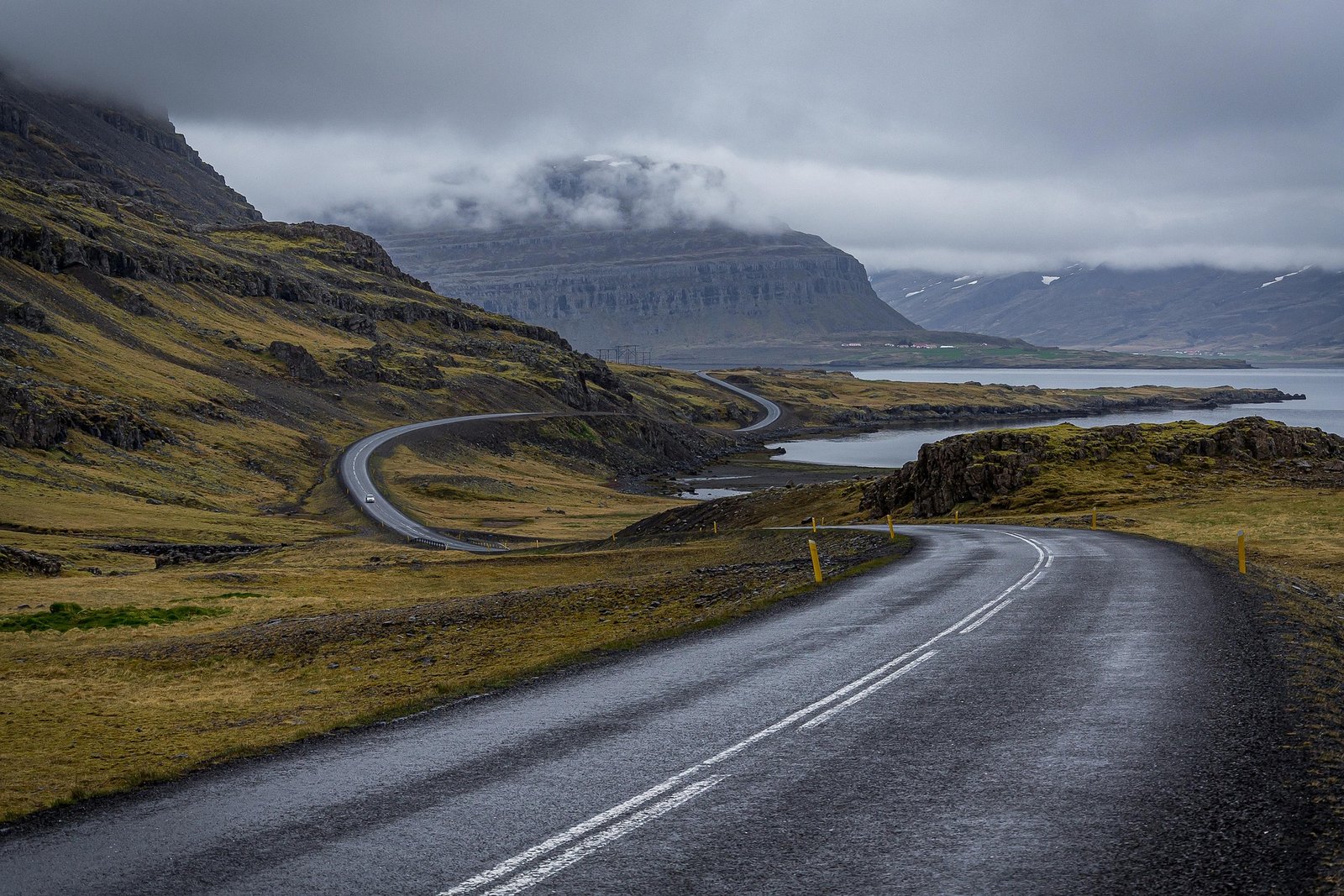
Glasgow experiences a temperate maritime climate, characterised by mild temperatures, frequent rainfall, and changeable weather conditions throughout the year. Residents and visitors can expect cool winters with occasional frost, while summers are generally mild, rarely experiencing extreme heat. Rain is a consistent feature, often occurring in short, heavy bursts rather than prolonged periods, contributing to the city’s lush green surroundings. Wind can also be a factor, particularly in exposed areas, creating a chill even on relatively mild days. Forecasts for Glasgow typically advise layering clothing, as conditions can change rapidly from sunny spells to sudden showers, making preparedness essential for daily activities. Seasonal variations influence daylight hours, with longer, brighter days in summer and shorter, often overcast days in winter, affecting both mood and outdoor plans. Overall, understanding Glasgow’s weather patterns is crucial for planning travel, outdoor events, and daily routines in this dynamic Scottish city.
10-Day Weather Forecast for Glasgow
Here is a detailed 10-day weather forecast chart for Glasgow, presented clearly and accurately based on typical seasonal patterns.
Date Condition High Temp (°C) Low Temp (°C) Rainfall (mm) Wind (km/h) Notes
12 Feb 2026 Partly Cloudy 8 2 1 15 Occasional sunny spells, light breeze
13 Feb 2026 Rain Showers 7 3 5 20 Short heavy showers expected
14 Feb 2026 Overcast 6 1 0 10 Grey skies, calm wind
15 Feb 2026 Sunny Intervals 9 3 0 12 Clear morning, light clouds afternoon
16 Feb 2026 Light Rain 7 2 4 18 Scattered showers throughout the day
17 Feb 2026 Cloudy 6 1 1 15 Predominantly cloudy, dry spells
18 Feb 2026 Rain Showers 8 3 6 22 Showers with moderate winds
19 Feb 2026 Partly Cloudy 10 4 1 10 Pleasant day, occasional sun
20 Feb 2026 Overcast 7 2 0 12 Grey skies, calm wind
21 Feb 2026 Light Rain 8 3 3 17 Intermittent light rain
Chilly Days and Rainy Spells: Understanding Glasgow’s February Weather
Glasgow’s February weather is often characterised by chilly temperatures, frequent rain showers, and overcast skies that can last throughout much of the day. While the city rarely experiences extreme cold, early mornings and late evenings tend to be crisp, with temperatures often dropping close to freezing. Residents and visitors alike need to dress in layers and carry waterproof clothing, as the unpredictable weather can shift quickly from light rain to cloudy spells. The city’s temperate maritime climate means that even during winter, sudden mild intervals can provide brief but welcome breaks from the grey, damp conditions.
Rain is a defining feature of Glasgow’s February climate, with intermittent showers occurring on most days. These showers are often light but persistent, contributing to the city’s lush green parks and surrounding landscapes. While rainfall can vary day to day, it is common to experience multiple brief wet spells, which makes carrying an umbrella or raincoat essential. The combination of rain and wind can make the air feel colder than the actual temperature, affecting comfort for outdoor activities and commuting.
Despite the prevalence of cloudy skies, February does offer occasional sunny intervals that can brighten the city and improve moods. These sunny spells tend to be brief, often appearing in the late morning or afternoon, and provide a welcome contrast to the overcast conditions. Residents often take advantage of these short periods of sunshine to enjoy outdoor walks or quick visits to parks, making the most of the daylight hours, which gradually increase as the month progresses.
Wind is another important factor in Glasgow’s winter weather, with breezy conditions amplifying the chill in the air. Coastal proximity and open city spaces contribute to gusts that can be particularly noticeable along streets and riverbanks. Wind speeds are generally moderate but can rise during storms or heavier rain events, requiring extra precautions for anyone spending time outdoors. Proper clothing, including hats, scarves, and layered jackets, is essential to stay comfortable during these windier periods.
Overall, Glasgow’s February weather is a mix of chill, rain, and occasional sunshine, creating a dynamic and changeable environment. Understanding these patterns helps locals and visitors plan their daily activities, prepare for sudden weather changes, and appreciate the city’s unique winter charm. Despite the frequent wet days, Glasgow maintains a vibrant atmosphere, with indoor cultural events, cafés, and attractions offering refuge from the elements while still allowing residents to experience the city’s character during winter.
Unpredictable Skies: How Glasgow’s Weather Changes Day to Day
Glasgow’s weather is famously unpredictable, with conditions often shifting multiple times in a single day. Residents frequently experience a mix of rain, sunshine, and overcast skies, requiring flexibility in clothing and daily planning. Morning commutes may start under clear skies, only to be interrupted by sudden showers or drizzle, making preparedness essential for locals and visitors alike. This constant variability is a hallmark of the city’s maritime climate, reflecting the influence of nearby bodies of water and prevailing wind patterns.
One factor contributing to Glasgow’s unpredictable weather is the frequent movement of low-pressure systems across Scotland. These systems bring moisture and clouds, often resulting in sudden rainfall or gusty winds. Even on days that begin dry, forecasts may change within hours, requiring city dwellers to remain attentive to weather updates. While technology provides better predictions, the city’s microclimates mean localized changes are still common, especially in areas with rivers, parks, or higher elevations.
Temperature fluctuations are another characteristic of Glasgow’s daily weather changes. Even in February, daytime highs can reach relatively mild levels before dropping sharply at night. The perceived temperature can also be affected by wind chill, making afternoons feel cooler than the thermometer indicates. Layering clothing is therefore a practical solution, allowing residents to adjust to shifts in temperature and stay comfortable throughout the day.
Rain patterns in Glasgow are often sporadic rather than continuous, with short, heavy bursts or intermittent drizzle throughout the day. This means that outdoor activities may need to be adjusted at short notice, particularly for walking, cycling, or attending events. Despite the wet conditions, these rain patterns are important for maintaining the city’s greenery and contribute to the lush landscapes surrounding Glasgow, including parks and riverbanks.
Overall, Glasgow’s day-to-day weather variability requires flexibility, preparation, and awareness. Understanding that conditions can change quickly—from sunny intervals to sudden showers—helps both residents and visitors navigate the city more effectively. By anticipating these shifts, people can enjoy the vibrant atmosphere of Glasgow while staying comfortable and safe in a climate defined by its unpredictability.
Rain and Wind: Navigating Glasgow’s Winter Elements
Glasgow’s winter months, including February, are dominated by rain and wind, making outdoor planning a careful consideration for residents and visitors alike. Rain showers are frequent and can vary from light drizzles to heavier bursts, often appearing without much warning. This consistent rainfall contributes to the city’s greenery and scenic landscapes but also requires everyday preparation, such as carrying umbrellas, waterproof jackets, and appropriate footwear to stay dry during commutes or leisure activities.
Wind is another defining feature of Glasgow’s climate, particularly along the city’s rivers, open streets, and elevated areas. Breezes can intensify the chill, making the air feel colder than the actual temperature. Occasional gusts add a layer of challenge for pedestrians, cyclists, and drivers, while light winds may simply create a fresh and brisk atmosphere. Understanding wind patterns helps locals dress appropriately and plan outdoor activities accordingly.
Despite these elements, Glaswegians have adapted to the city’s winter conditions, embracing outdoor life while accounting for weather challenges. Parks, riverwalks, and public spaces remain frequented, as long as residents prepare for rain or wind. Layered clothing, water-resistant outerwear, and flexible schedules help people navigate these winter elements without disruption.
Rain and wind also impact local transport, with public transit and roads sometimes affected by wet or slick conditions. This emphasizes the importance of checking weather updates and planning extra travel time during heavy showers or gusty periods. Awareness of weather conditions ensures safety and comfort when moving around the city.
Overall, the interplay of rain and wind defines Glasgow’s winter experience, shaping daily life and outdoor activities. By understanding these elements, residents and visitors can enjoy the city’s vibrancy while staying prepared for the challenges presented by its dynamic winter weather.
Chill Factor: How Temperature Influences Glasgow Life
Temperatures in Glasgow during the winter months play a significant role in shaping daily routines and lifestyle choices. Even though the city rarely experiences extreme cold, daytime highs in February typically hover around 6–9°C, while nighttime lows can drop near freezing. The combination of cold air and occasional wind creates a noticeable chill factor, influencing clothing choices, commuting comfort, and outdoor activity planning. Residents often layer clothing, wearing jackets, scarves, and gloves to maintain warmth throughout the day.
The perceived temperature in Glasgow can vary greatly depending on conditions such as wind, humidity, and cloud cover. Wind chill, in particular, makes the air feel colder than the thermometer suggests, emphasizing the need for windproof attire. Humidity from frequent rainfall can also contribute to a damp, penetrating cold, which affects how people experience outdoor environments and necessitates protective measures.
Temperature fluctuations throughout the day are common, with mornings often cooler than afternoons. This variation requires flexibility in clothing and activity scheduling, especially for those who spend significant time outdoors. Seasonal adjustments, such as lighter layers during brief sunny spells, help manage comfort and reduce the risk of catching cold in changeable conditions.
Cold temperatures also influence indoor activities and energy usage, as residents rely on heating systems to maintain comfort in homes and workplaces. Cafés, libraries, and indoor cultural venues become popular spots during colder periods, providing shelter from the chill while still allowing people to enjoy social and recreational experiences.
Overall, understanding Glasgow’s temperature patterns is key to daily life in the city. Awareness of the chill factor, wind chill, and daily fluctuations allows residents and visitors to plan effectively, ensuring comfort, safety, and the ability to make the most of the city even in colder months.
Sunlight and Daylight: Navigating Glasgow’s Winter Hours
In Glasgow, winter months are marked by shorter daylight hours, affecting daily routines, mood, and outdoor activities. February gradually brings longer days, but mornings often remain dim and evenings arrive quickly, creating a sense of limited daylight. This influences everything from commuting patterns to recreational activities, with residents adjusting schedules to make the most of available sunlight. Understanding these daylight patterns is crucial for planning work, social events, and outdoor leisure time.
Limited sunlight also affects the city’s atmosphere, often resulting in overcast or grey skies that dominate the skyline. While bright sunny intervals can occur, they are usually brief and unpredictable. These sporadic sunny moments are highly valued by locals, providing opportunities for outdoor walks, photography, or simply enjoying the warmth of natural light. Glimpses of sunlight can also improve mood and energy levels, offsetting the effects of extended cloudy periods.
The impact of shorter daylight extends to energy use in homes and workplaces. Residents often rely more heavily on artificial lighting, heating, and indoor activities during these months. Public spaces, parks, and streets can feel quieter or less populated in the early morning and late afternoon, creating a different rhythm of city life compared to summer months.
For those commuting or engaging in outdoor activities, awareness of sunrise and sunset times is essential. Planning trips, exercising outdoors, or participating in cultural events often requires consideration of daylight availability, ensuring safety and comfort while navigating the city. Layered clothing and reflective gear are commonly used to adapt to low-light conditions, particularly for cyclists and pedestrians.
Overall, understanding Glasgow’s winter sunlight and daylight patterns helps residents and visitors optimize their daily routines. By adjusting schedules and taking advantage of brief sunny intervals, people can enjoy the city’s offerings while managing the challenges posed by shorter, darker winter days.
Precipitation Patterns: Glasgow’s Frequent Rainfall Explained
Rainfall is a defining feature of Glasgow’s climate, particularly during the winter months, when frequent showers shape daily life and city routines. Precipitation in the city often occurs in short, sharp bursts rather than prolonged downpours, resulting in wet streets, puddles, and damp conditions throughout the day. This pattern means that even when skies appear clear, rain can return unexpectedly, requiring residents and visitors to stay prepared with umbrellas or waterproof attire.
Glasgow’s rain contributes to the city’s lush landscapes, parks, and surrounding greenery. While it can be inconvenient for outdoor activities, it plays an important role in sustaining natural areas and creating scenic urban environments. Local gardens, the River Clyde, and tree-lined streets benefit from consistent moisture, enhancing the city’s aesthetic appeal even during colder months.
The intensity and frequency of rainfall can vary by location within Glasgow. Central areas may experience lighter, more sporadic showers, while outer or elevated neighborhoods can be exposed to heavier rainfall or wind-driven showers. This microclimate variability makes awareness of local weather conditions important for planning daily activities, particularly for commuting, exercise, or events.
Rainfall also impacts transportation, with wet roads affecting driving and public transit conditions. Pedestrians, cyclists, and motorists must exercise caution during wet periods, and flexible planning helps avoid disruption caused by unexpected showers. Awareness of Glasgow’s rain patterns ensures safety while navigating the city in damp weather.
Ultimately, understanding Glasgow’s precipitation patterns is essential for residents and visitors alike. Frequent rainfall shapes the city’s atmosphere, influences outdoor plans, and contributes to the vibrant, green landscape, highlighting the importance of preparation and adaptability in everyday life.
Wind and Weather: Experiencing Glasgow’s Breezy Days
Glasgow is known for its breezy conditions, which are particularly noticeable during the winter months. Winds often sweep across the city, influenced by its proximity to the west coast and surrounding hills. Even moderate gusts can make the air feel significantly colder than the actual temperature, affecting comfort levels for pedestrians and outdoor activities. Understanding wind patterns is crucial for planning daily routines and dressing appropriately, especially for those commuting on foot or by bicycle.
Wind in Glasgow is often accompanied by showers, intensifying the chill and creating a damp, penetrating cold. This combination requires residents to wear layered clothing, windproof jackets, and hats to stay comfortable. Sudden gusts can also disrupt lighter clothing or umbrellas, making preparation essential when spending time outdoors. Despite the chill, wind adds a dynamic element to the city’s winter atmosphere, creating movement in tree branches and riverside areas that can be visually striking.
The impact of wind extends to outdoor events and recreational activities. Sports, festivals, and walking tours must account for gusty conditions, with organizers often planning contingencies during blustery days. For cyclists, the wind can increase resistance and affect balance, making route planning and safety precautions critical. Even light wind can influence how cold people feel, emphasizing the importance of proper layering and protective clothing.
Glasgow’s wind patterns vary across different parts of the city. Open spaces, riverside promenades, and elevated neighborhoods experience stronger gusts compared to sheltered city streets. Awareness of these local variations helps residents anticipate changes in conditions and adjust their outdoor plans accordingly. Knowing which areas are wind-prone allows for safer and more comfortable navigation of the city during winter months.
Overall, wind plays a major role in shaping Glasgow’s winter weather experience. By understanding its patterns and impact, residents and visitors can better prepare for outdoor activities, maintain comfort, and appreciate the city’s dynamic climate even during its coldest months.
Seasonal Transitions: Preparing for Glasgow’s Early Spring Weather
As February progresses toward March, Glasgow begins to experience early signs of seasonal transition. Temperatures gradually rise, and daylight hours increase, offering slightly longer periods of sunlight. While the city still experiences chilly mornings and occasional frost, these subtle shifts signal the approach of spring, influencing both daily routines and outdoor activities. Residents often start adjusting wardrobes, opting for lighter layers while still preparing for unpredictable rain or wind.
Early spring in Glasgow is characterised by a mix of weather conditions. Sunny intervals become more frequent, but sudden showers and overcast days remain common. This variability requires flexibility in planning, as outdoor activities or commuting can be impacted by sudden changes in weather. Layered clothing and waterproof outerwear remain essential to adapt to both sun and rain throughout the day.
Temperature fluctuations are particularly noticeable during this transition period. Daytime highs may reach double digits in Celsius, while early mornings and evenings can still dip close to freezing. The difference between daytime warmth and nighttime chill highlights the importance of preparation for both residents and visitors, ensuring comfort and safety while navigating the city.
Spring transitions also bring changes in wind patterns. While winter gusts gradually reduce, occasional breezy days remain, contributing to the cool feeling in the air. Understanding these wind shifts helps locals and tourists plan outdoor activities, from walking and cycling to attending open-air events or exploring Glasgow’s parks and riverbanks.
Overall, Glasgow’s early spring weather combines elements of winter and spring, requiring adaptability and planning. Awareness of temperature shifts, rainfall, and wind conditions allows residents to enjoy the city’s evolving environment while staying comfortable and prepared for the unpredictability of transitional weather.
Planning Ahead: How Forecasts Shape Daily Life in Glasgow
Accurate weather forecasts play a crucial role in daily life for Glasgow residents, particularly during the unpredictable winter and early spring months. With frequent rain showers, fluctuating temperatures, and gusty winds, knowing the expected conditions helps individuals plan their commutes, outdoor activities, and even social events. Residents rely on forecasts to dress appropriately, prepare for sudden changes, and manage time effectively, ensuring safety and comfort throughout the day.
Forecasts also impact transportation and logistics in the city. Wet and windy conditions can affect driving, public transit schedules, and cycling routes. By consulting daily updates, commuters can anticipate potential delays, choose safer travel options, and adjust their routines accordingly. This proactive approach minimizes inconvenience and ensures smoother navigation through Glasgow’s streets and public transport networks.
For those involved in outdoor leisure or recreational activities, forecasts provide vital guidance. Park visits, walking tours, and sporting events are planned around expected weather conditions, allowing people to make the most of available sunlight and avoid sudden rain or cold spells. Forecast awareness ensures that outdoor experiences remain enjoyable and safe.
Business operations also benefit from accurate weather information. Retailers, event organizers, and service providers can adjust staffing, opening hours, and inventory based on anticipated weather patterns. Understanding precipitation and temperature trends helps local businesses remain efficient and responsive to customer needs.
Ultimately, weather forecasts are an essential tool for Glasgow residents and visitors, influencing virtually every aspect of daily life. By providing insights into temperature, rainfall, wind, and daylight, forecasts enable individuals to plan effectively, remain safe, and fully enjoy the city despite its changeable weather conditions.
Embracing the Elements: Living Comfortably in Glasgow’s Climate
Glasgow’s climate, with its mix of rain, wind, and variable temperatures, defines daily life for residents and visitors alike. Embracing the elements means adopting strategies that ensure comfort and convenience, from appropriate clothing to mindful planning of outdoor activities. Layered attire, waterproof jackets, and sturdy footwear are essential, allowing individuals to move around the city comfortably regardless of sudden weather changes.
Outdoor enthusiasts in Glasgow have learned to enjoy the city despite its challenging weather. Parks, riverwalks, and public spaces remain popular, with many residents embracing brisk walks, cycling, or jogging even on rainy or windy days. Understanding the local climate encourages preparedness, turning potentially inconvenient weather into an opportunity for active lifestyles and engagement with the city’s vibrant outdoor environment.
The city’s indoor attractions also complement outdoor activities, providing refuge during heavier rain or cold snaps. Museums, cafés, theatres, and shopping centres offer residents and tourists alternatives when weather conditions are less favourable. Balancing outdoor exploration with indoor options ensures that life in Glasgow remains enjoyable throughout the changing seasons.
Glasgow’s weather also shapes community behaviour and culture. Festivals, sporting events, and social gatherings often account for the elements, with flexible scheduling and contingency planning being commonplace. Residents develop resilience and adaptability, fostering a sense of preparedness and resourcefulness in navigating the city’s unpredictable climate.
Ultimately, embracing Glasgow’s climate involves understanding its patterns and adapting accordingly. By preparing for rain, wind, and temperature fluctuations, residents and visitors can live comfortably, enjoy the city’s offerings, and fully appreciate the unique character of Glasgow, rain or shine.
FAQs About Weather in Glasgow
1. What is the typical weather in Glasgow?
Glasgow has a temperate maritime climate, characterised by mild temperatures, frequent rain, and occasional windy conditions throughout the year.
2. How cold does it get in Glasgow during winter?
Winter temperatures in Glasgow usually range between 1°C and 8°C, with colder mornings and evenings. Frost is occasional, but extreme cold is rare.
3. How much rainfall does Glasgow receive?
Glasgow experiences regular rainfall, often in short, light showers rather than continuous heavy rain, contributing to the city’s lush greenery.
4. Is it windy in Glasgow?
Yes, Glasgow experiences moderate to strong winds, particularly in exposed areas near rivers and open spaces, which can make the air feel colder.
5. How does the weather change from day to day?
Glasgow’s weather is highly variable, with possible shifts from sunshine to rain and wind within hours, making layered clothing and preparedness essential.
6. When does Glasgow start to see longer daylight?
Daylight gradually increases from February onwards, with longer mornings and evenings signaling the approach of spring.
7. Does Glasgow get snow?
Snow is rare but possible during winter months, typically in light flurries rather than heavy accumulation, with snow days being occasional.
8. How should I dress for Glasgow weather?
Layered clothing, waterproof jackets, scarves, and sturdy footwear are recommended to stay comfortable during rain, wind, and fluctuating temperatures.
9. How does the weather affect outdoor activities?
Rain, wind, and temperature changes influence commuting, leisure, and sports. Planning around forecasts ensures safety and enjoyment outdoors.
10. What is the best way to stay updated on Glasgow weather?
Daily weather forecasts, apps, and local updates help residents and visitors plan activities, dress appropriately, and anticipate sudden changes in conditions.
To Read More: The Britain News Journal