London hidden gems offer a refreshing escape from the city’s well-trodden tourist paths, revealing a side of the capital often overlooked by visitors. From tranquil secret gardens tucked away behind historic streets to quirky museums celebrating niche interests, these hidden spots provide unforgettable experiences for explorers seeking something different. Beyond the famous landmarks like the Tower of London and Buckingham Palace, London’s lesser-known corners showcase the city’s rich history, vibrant culture, and eclectic charm. Whether wandering through atmospheric alleyways, stumbling upon local markets, or uncovering unique art installations, there’s always something unexpected to discover. For those willing to venture beyond the guidebook, London hidden gems promise a journey filled with discovery, surprise, and the authentic pulse of the city.
Secret Gardens and Green Sanctuaries in London
London is famously known for its sprawling parks like Hyde Park and Regent’s Park, but the city hides a wealth of secret gardens that offer peace and tranquillity away from the bustling streets. These hidden green sanctuaries are tucked behind historic buildings, down narrow alleyways, or in unexpected corners of residential neighbourhoods. Exploring them feels like stepping into a different world, where nature thrives amidst the urban landscape and every path leads to a quiet retreat filled with flowers, fountains, and ancient trees.
Many of these gardens have fascinating histories, often connected to old manor houses, churches, or charitable trusts. Places like the Phoenix Garden in Covent Garden or the Garden at 2 Temple Place in Westminster are perfect examples, blending lush greenery with historical architecture. Visitors can wander through carefully curated flowerbeds, admire sculptures, or simply sit and enjoy the serenity while listening to birdsong and the faint hum of the city in the background.
These secret gardens are not only beautiful but also offer unique experiences for photographers, artists, and writers. The play of light through the trees, the vibrant colours of seasonal blooms, and the hidden corners provide endless inspiration. Unlike larger parks, these smaller spaces feel intimate and personal, allowing visitors to connect with nature in a way that is often impossible in more crowded areas.
For locals, secret gardens are cherished spaces for relaxation, morning walks, or weekend picnics. They also serve as community hubs where volunteers maintain the plants, organise small cultural events, or simply gather to appreciate the greenery. This sense of community adds another layer of charm, making each garden more than just a scenic spot—it becomes a living, breathing part of London’s urban fabric.
Discovering these hidden green spaces requires curiosity and a willingness to explore. Many are unmarked on standard maps, accessible only through side streets or public building entrances. Those who take the time to find them are rewarded with experiences that feel private and magical, offering a rare opportunity to slow down and enjoy a side of London that few tourists ever see.
Quirky Museums Off the Beaten Path
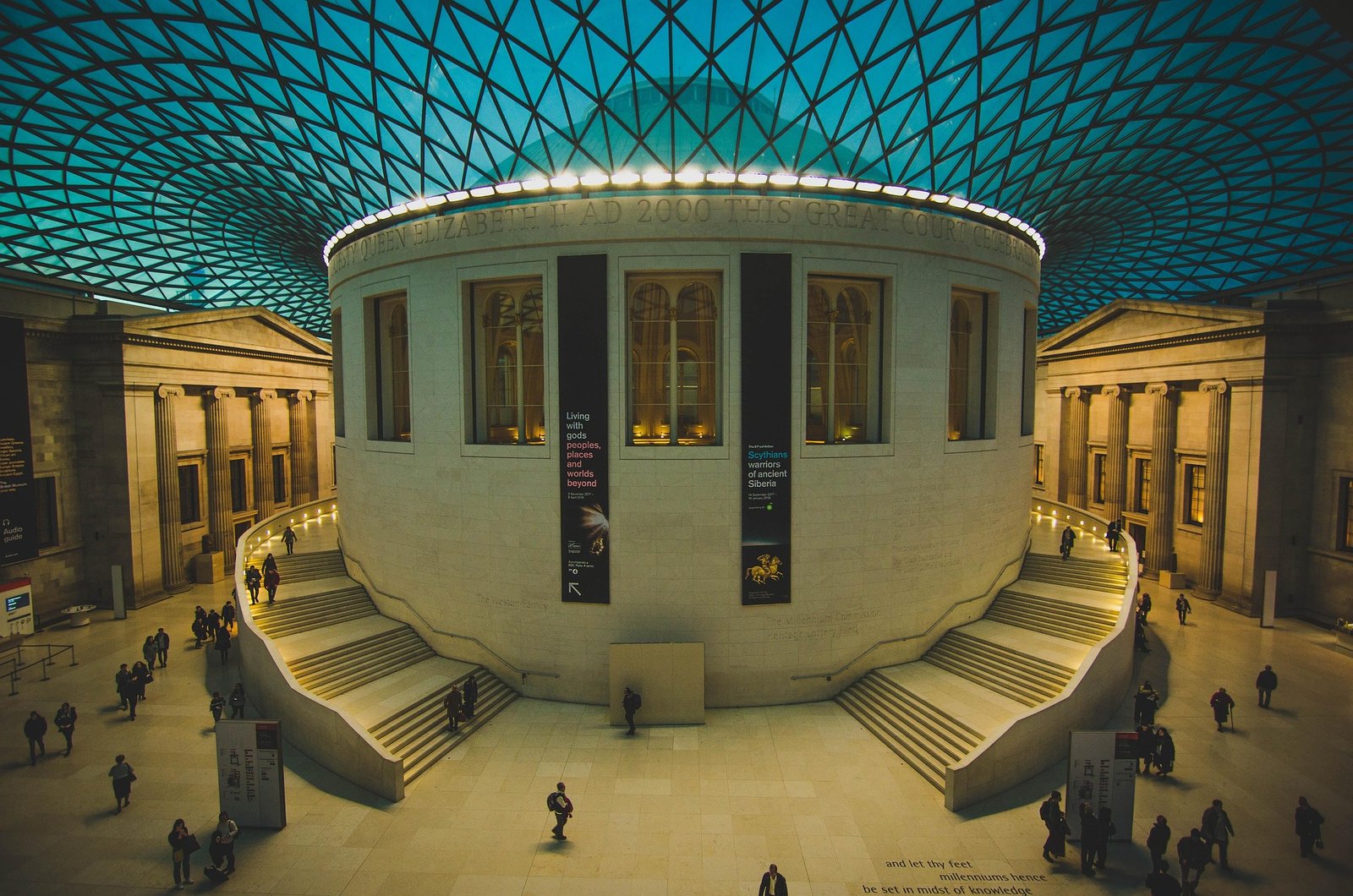
London is home to world-famous museums, but hidden within its streets are quirky museums that showcase the city’s eccentric and unusual side. These lesser-known institutions often focus on niche interests, from the history of everyday objects to unusual collections of art, providing experiences far removed from the crowded halls of the British Museum or the National Gallery. Visiting these spaces offers a unique glimpse into London’s diverse culture and the passions of collectors who have dedicated their lives to preserving the extraordinary.
One standout example is the Sir John Soane’s Museum, a fascinating house-museum filled with architectural models, paintings, and oddities collected over centuries. Its labyrinthine layout encourages visitors to wander and discover surprises around every corner, from antique furniture to ancient artefacts. Similarly, the Hunterian Museum in Holborn presents a striking collection of medical specimens, surgical instruments, and anatomical curiosities, offering a rare and sometimes eerie look into the history of medicine in Britain.
Other quirky museums include the Fan Museum in Greenwich, which celebrates the intricate artistry of fans from around the world, and the Old Operating Theatre Museum near London Bridge, which immerses visitors in Victorian medical practices. These unique spaces appeal to curious minds who enjoy stepping outside the conventional museum experience, providing insight into subjects that are often overlooked or forgotten.
What makes these hidden museums so appealing is their intimate scale. Unlike larger institutions where crowds and long queues are common, these smaller museums allow visitors to explore at their own pace, interact with knowledgeable staff, and engage more deeply with exhibits. The personal touch and attention to detail create memorable experiences that linger long after the visit ends.
For tourists seeking something beyond traditional attractions, London’s quirky museums offer discovery, intrigue, and inspiration. They highlight the city’s creativity, history, and eccentric charm, rewarding those willing to explore beyond the guidebook with experiences that are truly one-of-a-kind.
Hidden Historic Streets and Architectural Wonders
Beyond London’s iconic landmarks lie streets and alleyways steeped in history yet often overlooked by visitors. Wandering through these hidden corners reveals architectural gems that tell stories of the city’s evolution over centuries. From cobbled lanes lined with Georgian townhouses to narrow passages housing centuries-old pubs, these areas offer a glimpse into London’s past while retaining their authentic charm. Each street has its own character, shaped by generations of residents, tradespeople, and artisans, making exploration a journey through time.
Areas like Little Venice, with its serene canals and colourful houseboats, showcase a quieter, picturesque side of the city often missed by tourists. Meanwhile, neighbourhoods such as Seven Dials or Neal’s Yard in Covent Garden hide intricate passageways and vibrant courtyards where boutique shops, cafes, and independent theatres thrive. The combination of historic architecture and modern creative ventures creates a living tapestry of old and new, inviting visitors to linger and absorb the atmosphere.
Many hidden streets are home to remarkable architectural details that go unnoticed at first glance. Ornate doorways, intricately carved facades, and wrought-iron balconies reveal the craftsmanship of bygone eras. Walking these streets provides opportunities for photography, sketching, or simply appreciating the artistic and historical richness that London’s more famous landmarks cannot always convey.
These secret thoroughfares also have fascinating stories attached to them. Some were former hubs for craftsmen and merchants, others served as literary inspiration or meeting points for historical figures. Discovering these tales often requires curiosity and a willingness to explore off the beaten path, but the reward is a deeper understanding of London’s layered history.
For travellers seeking authentic experiences, hidden historic streets offer a sense of intimacy and discovery that larger tourist spots cannot match. They combine beauty, history, and storytelling in a way that brings London to life beyond the usual attractions, making every wander a journey of exploration and wonder.
Underrated Markets Brimming with Character
While markets like Borough and Camden draw large crowds, London hosts a variety of underrated markets that offer unique shopping experiences and a taste of local culture. These hidden markets are treasure troves for food lovers, antique hunters, and those seeking handmade crafts or quirky collectibles. Wandering through them feels like stepping into a community hub where locals and visitors mingle, and every stall tells its own story.
One example is Maltby Street Market in Bermondsey, a compact yet vibrant space known for artisanal foods, freshly baked goods, and gourmet street eats. Unlike busier markets, Maltby Street offers a relaxed atmosphere where visitors can chat with vendors, sample products, and discover rare ingredients. Similarly, the Columbia Road Flower Market is a delight for garden enthusiasts, showcasing colourful blooms, potted plants, and botanical curiosities along a charming street lined with independent shops.
Other hidden markets, such as Exmouth Market in Clerkenwell, combine food, fashion, and local crafts in a lively environment, often accompanied by street performances and live music. These markets provide a more intimate and authentic experience compared with the larger tourist-focused markets, allowing visitors to connect with the community and explore the city’s creative scene.
Beyond shopping, these markets are cultural experiences in themselves. They often reflect the heritage of their neighbourhoods, hosting events that celebrate local art, music, and cuisine. This makes them perfect destinations for travellers seeking both souvenirs and memorable interactions with London’s vibrant communities.
Exploring these underrated markets requires curiosity and a willingness to stray from main roads, but the rewards are plentiful. From discovering rare artisanal products to tasting dishes made with passion and creativity, these hidden markets showcase London’s lively spirit and its ability to surprise even seasoned visitors.
Hidden Art Galleries and Creative Spaces
London’s art scene extends far beyond the Tate and National Gallery, with numerous hidden galleries and creative spaces tucked away in unexpected corners. These venues often showcase emerging artists, experimental works, and contemporary installations that reflect the city’s dynamic cultural landscape. Visiting them offers an opportunity to engage with innovative art in an intimate setting, free from the crowds and commercial pressures of larger institutions.
Neighborhoods like Shoreditch and Hackney are home to small, independent galleries that highlight street art, digital media, and avant-garde projects. These spaces provide a platform for artists to experiment with form and content, allowing visitors to experience thought-provoking and unconventional pieces. From pop-up exhibitions in repurposed warehouses to curated shows in historic townhouses, the variety of hidden art venues reflects the diversity and vibrancy of London’s creative community.
Many hidden galleries also double as social spaces, hosting workshops, talks, and collaborative projects. Visitors can meet artists, learn about their creative process, and even participate in art-making sessions. This interactive approach makes exploring these galleries a deeply engaging and immersive experience, connecting audiences to the artwork in ways traditional museums rarely achieve.
Some of London’s secret art spots are tucked inside historic buildings, blending heritage with contemporary creativity. For example, galleries located in converted industrial spaces retain their original character while offering modern exhibition facilities. This juxtaposition of old and new creates a unique atmosphere that enhances the overall visitor experience and highlights the city’s evolving artistic identity.
For those seeking inspiration or simply a fresh perspective, discovering London’s hidden art galleries provides a rewarding journey. Each space tells its own story, showcases a distinct voice, and offers a glimpse into the pulse of a city constantly reinventing itself through creativity.
Riverside Retreats and Quiet Walks Along the Thames
While the South Bank and Westminster Embankment are popular destinations, London hides several serene riverside paths and quiet spots along the Thames that are often overlooked by tourists. These peaceful retreats provide an opportunity to escape the city’s hustle and bustle, offering picturesque views of the water, historic bridges, and charming riverside architecture. Walking along these lesser-known stretches allows visitors to experience a different, more tranquil side of London.
One such hidden gem is the stretch between Hammersmith and Chiswick, where tree-lined paths and riverside pubs create a relaxed, almost village-like atmosphere. Similarly, areas around Greenwich and Deptford feature quiet promenades where kayakers, walkers, and cyclists share the space with occasional local wildlife. These walks provide both relaxation and a sense of discovery, with unexpected viewpoints and historic landmarks appearing along the way.
Riverside retreats often conceal fascinating historical features. Old warehouses, Victorian piers, and remnants of the city’s maritime past offer glimpses into London’s evolution as a port city. Informative plaques, small statues, and restored buildings add layers of interest, turning a simple stroll into an educational and immersive experience.
In addition to scenic beauty, these hidden river paths are perfect for photography, jogging, or simply sitting with a book while enjoying the gentle flow of the Thames. Many spots provide benches, quiet gardens, or grassy banks where visitors can pause and absorb the atmosphere, making them ideal for both solitary reflection and casual social outings.
For explorers seeking a calm and scenic escape, London’s quieter riverside retreats reveal a side of the city that contrasts sharply with its busy tourist centres. These hidden walks combine history, nature, and tranquillity, offering a refreshing perspective on the capital.
Hidden Cafés and Culinary Corners
London’s food scene is renowned worldwide, yet beyond the famous restaurants and bustling chains lie hidden cafés and culinary corners that offer intimate dining experiences and unique flavours. These tucked-away gems often serve artisanal coffee, homemade pastries, and international dishes prepared with passion and creativity. Exploring them allows visitors to savour authentic tastes while enjoying cosy atmospheres that larger establishments rarely provide.
Neighbourhoods like Clerkenwell, Fitzrovia, and Marylebone host charming cafés tucked down quiet streets or behind unassuming facades. Places such as these often prioritise quality over scale, with chefs and baristas dedicated to crafting memorable meals and beverages. Visitors can enjoy freshly baked bread, specialty teas, and locally sourced ingredients while sitting in spaces adorned with rustic décor, vintage furnishings, or contemporary art.
Many hidden culinary spots are also hubs for creativity and community. Pop-up restaurants, supper clubs, and themed cafés allow food lovers to experience experimental menus or fusion cuisine in intimate settings. This approach not only supports small businesses but also provides a more personalised dining experience, where staff often share stories behind their dishes or cooking techniques.
These culinary gems also reflect London’s multicultural character. From authentic Middle Eastern pastries to Japanese matcha desserts or artisanal vegan treats, hidden cafés showcase a wide spectrum of flavours that go beyond standard tourist offerings. Food enthusiasts can sample rare ingredients, innovative combinations, and traditional recipes prepared with modern flair, making each visit a delightful discovery.
For travellers seeking unique gastronomic experiences, London’s hidden cafés and culinary corners offer more than just meals—they provide memorable moments, immersive atmospheres, and the chance to connect with the city’s vibrant food culture in an authentic and intimate way.
Hidden Theatres and Live Performance Spaces
London’s West End dominates the theatre scene, but the city conceals numerous hidden theatres and live performance spaces that deliver unique and immersive experiences. These venues often host experimental plays, intimate productions, and fringe performances that challenge traditional storytelling and allow audiences to engage with performers in close quarters. Exploring them reveals a side of London’s performing arts that is daring, innovative, and far from the commercial spotlight.
Many of these hidden theatres are located in converted buildings, such as old warehouses, former churches, or underground spaces, providing a distinctive atmosphere that enhances the performances. Spaces like the Old Red Lion Theatre in Islington or the Finborough Theatre in Earl’s Court showcase emerging talent, cutting-edge scripts, and thought-provoking productions, offering audiences a fresh perspective on contemporary theatre.
These venues often cultivate close connections with local communities and artists. Small casts, interactive shows, and limited seating ensure that each performance feels personal and immersive. Visitors can witness storytelling in a way that is immediate and emotionally engaging, creating memories that linger far beyond the final curtain call.
Hidden performance spaces also offer diverse programming, from experimental dance and spoken word to live music and avant-garde theatre. This variety caters to adventurous audiences seeking something beyond mainstream productions, encouraging cultural exploration and deepening appreciation for London’s creative vibrancy.
For those willing to venture off the beaten path, London’s hidden theatres and live performance spaces provide intimate, inspiring, and often surprising experiences. They capture the city’s artistic energy and offer a refreshing alternative to the well-trodden stages of the West End.
Undiscovered Street Art and Urban Murals
London is renowned for its vibrant street art, yet much of it remains hidden in backstreets, alleyways, and lesser-known neighbourhoods. Beyond the famous works in Shoreditch, the city conceals a constantly evolving gallery of murals, stencil art, and graffiti that reflect its diverse culture, political commentary, and artistic experimentation. Exploring these urban canvases provides a dynamic and unconventional way to experience London’s creativity.
Areas such as Hackney Wick, Brixton, and Camden are hotspots for hidden street art, where visitors can discover colourful murals, intricate stencils, and large-scale installations tucked away on industrial walls and side streets. These artworks often tell stories of local communities, social issues, or personal expression, transforming ordinary urban spaces into open-air galleries.
What makes this hidden art scene compelling is its ephemeral nature. Pieces are frequently replaced or updated, meaning each visit offers something new and unique. Some works are created by internationally recognised artists, while others come from emerging talents experimenting with form and style. This ever-changing landscape encourages repeated exploration and rewards those who pay attention to detail.
Street art tours, both official and self-guided, allow visitors to uncover hidden murals and learn about the artists and messages behind them. Beyond the visual appeal, these artworks provide insight into London’s social and cultural fabric, reflecting the city’s diversity, history, and evolving identity in ways traditional galleries may not capture.
For explorers seeking a modern, vibrant, and unconventional side of London, discovering its hidden street art offers adventure, inspiration, and a fresh perspective on urban life. Each mural and stencil is a window into the creativity, resilience, and voice of the city.
Secret Pubs and Historic Taverns
London’s pub culture is legendary, yet beyond the bustling tourist favourites lie secret pubs and historic taverns that offer intimate atmospheres and fascinating stories. These hidden watering holes often occupy centuries-old buildings, with original woodwork, fireplaces, and period features that transport visitors back in time. Exploring them allows travellers to enjoy a genuine taste of London’s social and cultural heritage.
Many secret pubs are tucked down narrow alleyways or behind unmarked doors, making them feel like hidden discoveries rather than typical nightlife stops. Places like The Seven Stars near Holborn or The French House in Soho have welcomed locals and creatives for decades, offering a blend of traditional drinks, live music, and convivial company. These venues often maintain unique traditions, from quirky décor to historic anecdotes passed down through generations.
Historic taverns also provide more than drinks—they are living museums of London life. Walls adorned with old photographs, antique signage, and memorabilia offer glimpses into the city’s past. Patrons can soak in stories of literary figures, politicians, and artists who frequented these establishments, giving a sense of connection to London’s layered history.
Many hidden pubs also serve excellent food, from hearty British classics to modern gastropub fare, often prepared with locally sourced ingredients. Coupled with their warm, authentic ambience, they provide an experience that combines culinary delight with cultural immersion, making each visit memorable and distinctive.
For visitors seeking an authentic slice of London’s social fabric, exploring secret pubs and historic taverns reveals a side of the city rarely seen by mainstream tourists. These hidden gems offer character, history, and an unforgettable atmosphere, making them a must for those who enjoy discovery and tradition.
London Hidden Gems FAQs
1. What are some must-visit London hidden gems for first-time visitors?
First-time visitors should explore secret gardens like Phoenix Garden, quirky museums such as the Sir John Soane’s Museum, and historic streets including Neal’s Yard. Hidden markets like Maltby Street and secret pubs also offer authentic local experiences away from crowded tourist spots.
2. Where can I find the best hidden gardens in London?
Some of the best hidden gardens include the Phoenix Garden in Covent Garden, the Garden at 2 Temple Place in Westminster, and the Kyoto Garden in Holland Park. These green spaces provide peaceful retreats away from busy city streets.
3. Are there any quirky museums off the beaten path in London?
Yes, London has several quirky museums such as the Fan Museum in Greenwich, the Old Operating Theatre Museum near London Bridge, and the Hunterian Museum in Holborn, each offering unique and unusual collections.
4. Which hidden streets and historic areas are worth exploring?
Little Venice, Seven Dials, Neal’s Yard, and parts of Shoreditch are ideal for discovering cobbled lanes, charming alleyways, and historic architecture often missed by tourists.
5. What are some underrated markets in London?
Underrated markets include Maltby Street Market, Columbia Road Flower Market, Exmouth Market, and Broadway Market, offering artisanal foods, handmade crafts, and a vibrant local atmosphere.
6. Where can I find hidden art galleries and creative spaces?
Hidden art galleries are abundant in Shoreditch, Hackney, and Clerkenwell. Small venues and pop-up spaces often feature contemporary, experimental, and street-inspired artwork.
7. Are there quiet riverside spots along the Thames?
Yes, areas between Hammersmith and Chiswick, Greenwich, and Deptford offer peaceful riverside walks, scenic views, and tranquil retreats away from the more crowded South Bank.
8. Which hidden cafés and culinary corners are worth visiting?
Cafés in Fitzrovia, Clerkenwell, and Marylebone offer artisanal coffee, homemade pastries, and international cuisine. Pop-up restaurants and themed cafés also provide unique culinary experiences.
9. Where can I discover London’s hidden street art?
Hackney Wick, Brixton, Camden, and Shoreditch feature some of the city’s most impressive hidden murals and urban art, often tucked away on side streets and alleyways.
10. What are some secret pubs and historic taverns in London?
Hidden pubs like The Seven Stars in Holborn, The French House in Soho, and historic taverns tucked down alleyways offer authentic atmospheres, historic interiors, and a glimpse into London’s social history.
To Read More: The Britain News Journal