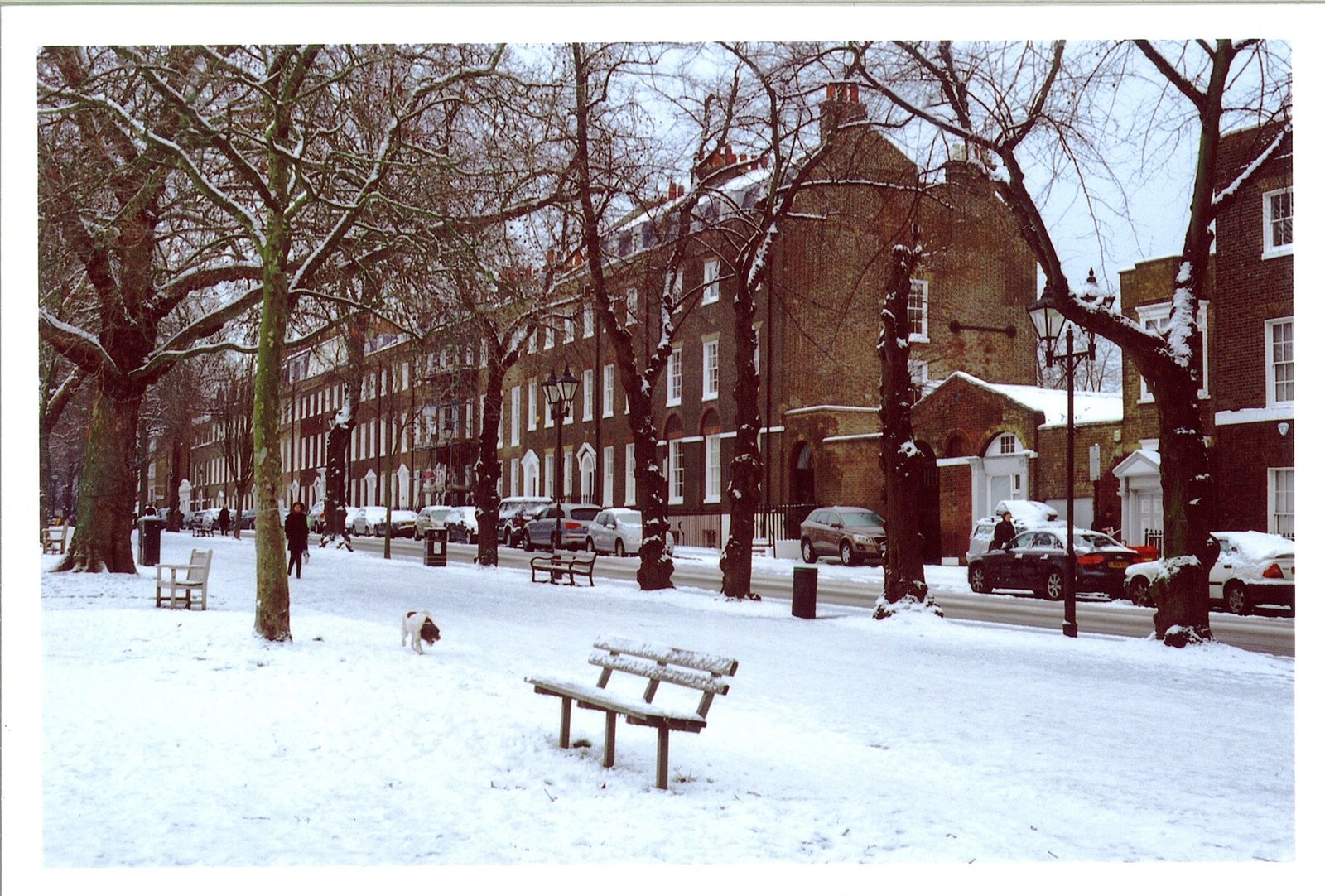
The UK weather update for the next 10 days suggests a typically changeable pattern, with a mix of mild spells, cooler interludes, and occasional rain across different regions. Early forecasts indicate that southern parts of England are likely to experience slightly above-average temperatures, with daytime highs feeling pleasantly mild for the time of year, while northern England and Scotland may see cooler conditions, especially during mornings and evenings. Periods of cloud and rain are expected to move through at intervals, particularly in western areas, while eastern regions may enjoy drier and brighter spells. Winds are set to vary, becoming breezier at times along coastal areas. Overall, the outlook points to unsettled but manageable conditions, with brief improvements offering chances for outdoor activities before the next weather system arrives.
UK Weather Update for Next 10 Days – Table Chart
Day Weather Condition Max Temp (°C) Min Temp (°C) Rain Chance Wind
Day 1 Partly Cloudy 11°C 5°C Low Light
Day 2 Cloudy 10°C 4°C Medium Light
Day 3 Light Rain 9°C 3°C High Moderate
Day 4 Showers 10°C 4°C Medium Moderate
Day 5 Bright Intervals 12°C 5°C Low Light
Day 6 Mostly Sunny 13°C 6°C Very Low Light
Day 7 Cloudy 11°C 5°C Medium Moderate
Day 8 Rain at Times 10°C 4°C High Breezy
Day 9 Partly Cloudy 12°C 6°C Low Light
Day 10 Sunny Spells 14°C 7°C Very Low Light
Short-Term Weather Trends Across the UK
The UK weather update for the next 10 days indicates a classic late-winter to early-spring transition, marked by fluctuating temperatures and variable conditions across the country. High-pressure systems are expected to bring brief settled spells, particularly in the south and east, allowing for drier weather and occasional sunshine. However, these calmer periods are likely to be interrupted by Atlantic weather fronts moving in from the west, bringing cloud cover, rain, and gusty winds. This on-and-off pattern is typical for the UK at this time of year, making day-to-day conditions feel quite changeable rather than consistently settled.
In England, the short-term outlook suggests relatively mild daytime temperatures, especially across southern and central regions. Afternoon highs are expected to reach low double figures, which may feel pleasant when sunshine breaks through. Nights, however, will remain cool, with temperatures dipping noticeably after sunset. Northern England is likely to experience cooler and more unsettled conditions, with a higher chance of cloud and light rain at times. While no prolonged cold spell is currently expected, brief cooler interludes may still occur, particularly under clear night skies.
Scotland’s weather over the next 10 days is forecast to be more mixed and often cooler compared to southern areas of the UK. Western and northern parts of Scotland are most exposed to Atlantic systems, meaning periods of rain and stronger winds are more likely here. Eastern Scotland may fare slightly better, with drier intervals and occasional brightness, though temperatures will remain on the cool side. Highland areas could experience colder nights, with wintry conditions possible on higher ground during unsettled phases.
Wales and Northern Ireland are expected to see a similar pattern, with frequent cloud cover and spells of rain, especially in western coastal areas. These regions are often first to feel incoming weather systems, so conditions may turn wet and windy at times. That said, there will still be drier windows, particularly between passing fronts, allowing for brighter spells and calmer conditions. Temperatures are likely to hover around seasonal averages, feeling mild by day but chilly overnight.
Overall, the short-term weather trends across the UK suggest no extreme conditions but plenty of variability. This means flexibility will be key for outdoor plans, as weather conditions could change quickly from one day to the next. Keeping an eye on daily updates will be important, especially for travel or outdoor activities. While the outlook does not point to prolonged sunshine or sustained wet weather, it does reflect a balanced mix of mild temperatures, occasional rain, and brighter interludes typical of the UK climate during this period.
Temperature Patterns and Regional Differences
The UK weather update for the next 10 days highlights noticeable temperature variations between regions, largely influenced by geography and prevailing wind direction. Southern England is expected to experience the mildest conditions overall, with daytime temperatures often reaching or slightly exceeding seasonal averages. When cloud breaks allow sunshine through, it may feel pleasantly warm during the afternoon, particularly in sheltered inland areas. However, despite these milder daytime conditions, temperatures are still forecast to fall sharply at night, reminding many that winter has not fully loosened its grip.
Central and northern parts of England are likely to see more modest temperature ranges, with cooler daytime highs and colder nights compared to the south. Areas such as the Midlands and northern counties may feel cooler under persistent cloud cover, especially during unsettled spells. Clearer nights could bring a noticeable chill, and rural locations may be particularly prone to lower overnight temperatures. While frost is not expected to be widespread, it cannot be ruled out in some northern and inland areas during calmer nights.
Scotland is set to experience the coolest conditions across the UK during the next 10 days. Northern and western parts will likely see lower daytime temperatures, especially when Atlantic weather systems bring cloud, rain, and brisk winds. These conditions can make it feel colder than the thermometer suggests. Eastern Scotland may enjoy slightly milder days when drier air dominates, but overnight temperatures are expected to drop sharply, particularly in Highland areas where colder air tends to settle.
Wales and Northern Ireland are forecast to sit somewhere between the conditions seen in England and Scotland. Daytime temperatures should remain close to average for the time of year, though coastal and elevated areas may feel cooler due to stronger winds. Inland parts of Wales could see brief milder spells when sunshine breaks through, while Northern Ireland is likely to experience cooler, cloudier days at times. Night-time temperatures across both regions are expected to remain low, especially during clearer spells.
Overall, temperature patterns across the UK for the next 10 days suggest a gradual but uneven shift toward milder conditions. While no significant cold snaps are currently forecast, the combination of cool nights and fluctuating daytime warmth means conditions may still feel quite wintery at times. These regional differences underline the importance of checking local forecasts, as temperatures can vary noticeably depending on location, cloud cover, and wind exposure.
Rainfall Outlook and Unsettled Weather Risks
The UK weather update for the next 10 days shows rainfall playing a key role in shaping overall conditions, with unsettled spells expected to pass through at intervals. Atlantic weather systems are likely to dominate much of the forecast period, bringing bands of rain that move from west to east. These systems will not linger continuously, but their frequent arrival means that few areas will stay completely dry for long. As a result, rainfall totals are expected to be close to, or slightly above, average in some western and northern regions.
Western parts of the UK, including Wales, western Scotland, and Northern Ireland, are forecast to see the highest rainfall amounts. These areas are typically first to experience incoming fronts, leading to spells of steady rain and occasional heavier bursts. Coastal regions and higher ground may see prolonged wet conditions at times, increasing the risk of surface water issues, particularly after repeated showers. However, rainfall is not expected to be extreme, and dry intervals will still develop between weather systems.
In England, rainfall distribution is likely to be more uneven. Southern and eastern areas may experience lighter and more sporadic rain compared to the west. Showers are expected to be interspersed with brighter, drier spells, especially when high pressure temporarily builds. While some days may remain largely dry, others could bring sudden showers or periods of light rain, making conditions unpredictable for outdoor plans. Overall rainfall totals in these regions are likely to remain around seasonal averages.
Scotland’s rainfall outlook varies significantly by region. Western and northern Scotland are expected to see frequent rain and showers, particularly when low-pressure systems track close to the region. Eastern Scotland, on the other hand, may remain relatively drier at times due to sheltering effects, although cloud cover will still be common. In higher elevations, rain may occasionally mix with sleet during cooler periods, especially overnight, though widespread wintry precipitation is not currently indicated.
Overall, the rainfall outlook for the next 10 days suggests a familiar UK pattern of alternating wet and dry spells rather than prolonged rainfall or extended dry periods. While umbrellas will be needed on some days, there will also be opportunities for outdoor activities during drier windows. Staying alert to short-term forecasts will be important, as rainfall timing and intensity can vary significantly from day to day and region to region.
Wind Conditions and How They May Affect Travel
The UK weather update for the next 10 days indicates that wind conditions will play a noticeable role, particularly as Atlantic weather systems move across the country. While there are no signs of severe or damaging winds on a widespread scale, several periods of breezy to windy weather are expected. These conditions will be most noticeable in coastal and exposed areas, where wind speeds tend to increase as low-pressure systems pass nearby. For many inland locations, winds are likely to remain moderate but may still add a chill to the air.
Western coastal regions, including parts of Wales, Scotland, and Northern Ireland, are likely to experience the strongest winds during unsettled spells. Gusty conditions may accompany bands of rain, particularly as weather fronts move through. In these areas, winds could make driving more challenging, especially for high-sided vehicles on exposed roads and bridges. Ferry services and coastal travel may also experience occasional disruption, although major interruptions are not currently expected based on available forecasts.
Across England, wind conditions are expected to be more variable. Southern and eastern areas may enjoy calmer spells when high pressure builds, allowing for lighter winds and more comfortable conditions. However, when weather systems pass through, winds may pick up briefly, especially along southern and eastern coastlines. These short-lived windy periods could coincide with showers or rain, making outdoor activities feel less pleasant even if temperatures remain relatively mild.
Scotland’s wind outlook is closely tied to the track of low-pressure systems. Northern and western regions are most exposed to stronger winds, particularly during unsettled phases. Gusts may be more noticeable over higher ground and coastal headlands, where winds can feel significantly stronger. Eastern Scotland is likely to experience calmer conditions overall, though occasional breezy spells are still expected, especially during frontal passages.
In summary, wind conditions over the next 10 days are unlikely to cause major disruption but may have minor impacts on travel and outdoor plans at times. Breezy and gusty periods could make journeys feel less comfortable, particularly in exposed areas. Staying informed with local forecasts will help travellers plan ahead and avoid potential inconvenience during windier spells.
Sunshine Levels and Outdoor Activity Outlook
The UK weather update for the next 10 days suggests that sunshine will appear in short but welcome bursts rather than in long, settled spells. High-pressure systems are expected to build at times, allowing brighter conditions to develop across parts of the country. These periods of sunshine are likely to be most noticeable in southern and eastern England, where cloud breaks more readily compared to western regions. While sunshine hours may remain below summer levels, even brief sunny intervals can significantly improve how the weather feels.
Southern England is forecast to enjoy the greatest share of brighter spells, particularly during calmer days between weather systems. When skies clear, temperatures may feel pleasantly mild, making conditions suitable for outdoor activities such as walking or light gardening. However, cloud can quickly return, especially ahead of approaching fronts, so sunshine is unlikely to last all day. Planning outdoor activities around daily forecasts will be important to make the most of these brighter windows.
In northern England and Scotland, sunshine is expected to be more limited, particularly in western and northern areas where cloud cover is often thicker. Eastern Scotland and north-east England may fare better at times, benefiting from drier air and clearer skies. Even here, sunshine is likely to be intermittent, with cloud frequently drifting in from the west. Despite this, occasional bright spells will still provide opportunities for outdoor plans, especially during calmer weather days.
Wales and Northern Ireland are likely to see fewer prolonged sunny periods, with cloud and showers interrupting brighter spells. Coastal and western areas in particular may struggle to see extended sunshine due to frequent Atlantic influence. That said, when weather systems move away, there can be brief but pleasant intervals of sunshine, offering short opportunities for outdoor activities. These moments, though limited, can make a noticeable difference to overall conditions.
Overall, sunshine levels across the UK over the next 10 days are expected to be variable and dependent on short-term weather patterns. While long sunny stretches are unlikely, the presence of brighter spells means outdoor activities remain possible with careful planning. Flexibility will be key, as sunshine may appear suddenly and disappear just as quickly, reflecting the changeable nature of UK weather during this period.
Night-Time Temperatures and Frost Risk
The UK weather update for the next 10 days shows that night-time temperatures will remain a key feature, with cooler conditions persisting despite occasional mild days. As skies clear during settled periods, temperatures are expected to drop quickly after sunset, leading to chilly nights across much of the country. These cooler conditions are typical for this time of year and will be most noticeable in rural and inland areas where heat escapes more rapidly under clear skies.
Southern England is likely to see relatively milder nights compared to northern regions, but temperatures may still fall low enough to feel cold, particularly in sheltered locations. Urban areas may retain slightly more warmth due to built-up surroundings, while countryside locations could experience sharper drops in temperature. Although widespread frost is not expected, isolated patches of frost may form during the clearest and calmest nights, especially in low-lying areas.
Northern England and Scotland face a greater risk of colder nights, with temperatures dropping close to freezing at times. Highland regions, in particular, are prone to much colder conditions overnight, especially when winds ease and skies clear. In these areas, frost is more likely, and higher elevations may experience occasional icy patches. While severe cold is not currently forecast, these colder nights could impact early morning travel and outdoor activities.
Wales and Northern Ireland are expected to experience cool but generally manageable night-time temperatures. Coastal areas may remain slightly milder due to the influence of surrounding seas, while inland and elevated areas could see colder conditions. Frost risk here remains low overall but cannot be ruled out entirely during brief settled spells. Gardeners and those sensitive to cold overnight temperatures may need to remain cautious during this period.
In summary, night-time conditions across the UK for the next 10 days will often feel cold, even when daytime temperatures appear mild. The combination of clear skies and lighter winds during settled spells increases the chance of chilly nights and isolated frost. Staying aware of overnight forecasts will be important for early risers, commuters, and anyone planning outdoor activities during the early morning hours.
Overall 10-Day Weather Summary and What to Expect
The UK weather update for the next 10 days points towards a period of mixed but largely manageable conditions across the country. Rather than prolonged extremes, the forecast suggests a balance of mild days, cooler nights, and intermittent unsettled spells. This changeable pattern reflects the UK’s typical weather behaviour at this time of year, with Atlantic systems influencing conditions while high pressure occasionally brings brief calmer intervals. As a result, weather conditions are expected to shift regularly from day to day.
For much of England, especially in the south and east, temperatures are likely to remain close to or slightly above seasonal averages during the daytime. Brighter spells will offer moments of pleasant weather, though these are expected to be short-lived. Rainfall will occur at intervals, particularly as weather fronts pass through, but prolonged wet periods are not currently indicated. This balance should allow for outdoor plans on many days, provided they are timed carefully around forecast changes.
Scotland, Wales, and Northern Ireland are expected to experience more unsettled conditions overall, with a higher frequency of cloud, rain, and breezier winds. Western and northern areas will be most exposed to Atlantic influences, leading to more frequent wet spells. However, even in these regions, drier and brighter intervals will develop between systems, preventing conditions from becoming persistently poor. Cooler temperatures in northern areas may make conditions feel more wintry at times, especially overnight.
Across the UK, night-time temperatures will continue to dip noticeably, particularly during clearer spells. While widespread frost is not anticipated, isolated cold nights could bring localised frost, especially in rural and northern areas. This contrast between mild days and chilly nights may feel pronounced, making layered clothing advisable. Winds will occasionally strengthen, particularly in coastal areas, but severe or disruptive conditions are not currently expected.
Overall, the next 10 days present a fairly typical and stable weather outlook for the UK, with no major hazards on the horizon. Flexibility will be key, as weather patterns may shift quickly, but there will be regular opportunities for travel, outdoor activities, and everyday plans. Staying informed with daily updates will help make the most of the brighter spells while avoiding any unsettled periods.
Regional Highlights and Localised Weather Variations
The UK weather update for the next 10 days shows that regional differences will remain a defining feature of the forecast. Due to the country’s varied geography, coastal exposure, and elevation, localised conditions can differ significantly even within short distances. While national trends provide a general picture, day-to-day weather will often feel quite different depending on where you are. Understanding these regional variations will be important for planning travel, work, and outdoor activities.
Southern and south-eastern England are expected to see the most settled conditions overall. These areas are more likely to benefit from breaks in cloud cover and lighter winds when high pressure briefly builds. Rainfall here is expected to be more sporadic and lighter compared to western regions. As a result, this part of the UK may experience the most comfortable weather during the 10-day period, particularly during daylight hours, although cooler nights will still be a feature.
Northern England is likely to experience greater variability, with conditions shifting more frequently between dry spells and unsettled periods. Western parts of the region may see more frequent showers and cloud, while eastern areas could enjoy slightly drier conditions at times. Temperatures will generally be lower than in the south, and changes in weather may feel more noticeable from one day to the next, especially when Atlantic systems pass through.
Scotland’s weather will vary widely depending on location. Western and northern regions are expected to see more frequent rain and stronger winds, particularly along exposed coasts and higher ground. Eastern Scotland may experience longer dry spells and occasional brightness, though temperatures will remain on the cooler side. Highland areas are likely to feel the coldest conditions overall, especially overnight, with occasional wintry elements possible at elevation.
Wales and Northern Ireland are forecast to experience a blend of conditions similar to western parts of the UK. These regions are more exposed to Atlantic influences, meaning cloudier skies, showers, and breezy periods are more likely. However, there will still be drier intervals between weather systems, allowing for short spells of improved weather. Overall, localised variations will play a key role, making regional forecasts particularly important during the next 10 days.
Travel, Commuting, and Daily Planning Advice
The UK weather update for the next 10 days suggests that most travel and commuting plans can continue with minimal disruption, though short-term weather changes may require extra attention. With a mix of dry spells and unsettled periods expected, conditions on roads and public transport are likely to vary from day to day. Rainfall, when it occurs, may briefly reduce visibility and lead to slower traffic, particularly during peak commuting hours. Drivers should remain alert during wet mornings and evenings, especially on rural and poorly lit roads.
Rail travel is not expected to face widespread disruption, but occasional delays are possible during periods of heavy rain or strong winds. Wet tracks can reduce braking efficiency, while gusty conditions may affect services in exposed areas, particularly in western and northern regions. Passengers are advised to check updates during unsettled spells, especially when travelling longer distances or during early morning and late evening hours. Overall, most services should operate normally, with only minor delays at times.
Air travel conditions across the UK are forecast to remain largely stable. While breezy conditions may occasionally affect take-offs and landings, especially at coastal airports, no prolonged periods of severe weather are currently indicated. Travellers should still allow extra time when flying during unsettled days, as brief weather-related delays can occur. Visibility is expected to remain generally good outside of rain bands, supporting relatively smooth airport operations.
For pedestrians and cyclists, the changing weather pattern means preparation will be key. Intermittent rain showers and cooler temperatures may make conditions feel less comfortable at times, particularly in the mornings and evenings. Wearing waterproof layers and allowing flexibility in travel times will help manage sudden changes in weather. During brighter spells, conditions should be suitable for walking and cycling, especially in sheltered urban areas.
In summary, travel and daily planning over the next 10 days should remain straightforward for most people, provided forecasts are checked regularly. While no major disruption is expected, the variable nature of UK weather means conditions can change quickly. Staying prepared and flexible will help ensure journeys remain smooth, safe, and stress-free throughout the forecast period.
Key Takeaways and Final Weather Guidance
The UK weather update for the next 10 days highlights a period defined more by variability than extremes. Rather than prolonged spells of one type of weather, the outlook points to frequent changes, with mild daytime conditions, cooler nights, and intermittent unsettled phases. This pattern is typical for the UK during seasonal transitions, where Atlantic influences remain strong but are occasionally disrupted by brief high-pressure systems. As a result, weather conditions are expected to fluctuate regularly across all regions.
One of the most notable features of the forecast is the contrast between regions. Southern and eastern England are likely to experience the most settled and mild conditions overall, while western and northern areas remain more exposed to rain and wind. Scotland, Wales, and Northern Ireland will see a greater share of cloud and showers, although these will be broken up by drier intervals. These regional differences reinforce the importance of local forecasts, as conditions may vary significantly within short distances.
Temperatures are expected to stay close to seasonal norms, with daytime values feeling mild during brighter spells but noticeably cooler under cloud and wind. Night-time temperatures will remain low, particularly during clearer periods, increasing the chance of isolated frost in rural and northern areas. While no severe cold snaps are currently indicated, the persistent cool nights mean winter clothing will still be necessary, especially during early mornings and evenings.
Rainfall and wind are not expected to reach disruptive levels on a widespread basis, but brief periods of heavier rain and gusty winds may still occur. These conditions could temporarily affect travel, outdoor plans, and daily routines, particularly in exposed locations. However, the absence of prolonged severe weather suggests that most activities can continue as normal with sensible planning and awareness of short-term changes.
In conclusion, the next 10 days across the UK are set to bring a balanced mix of weather conditions rather than any single dominant trend. Flexibility, preparation, and regular updates will be the best approach for managing day-to-day plans. By staying informed and adapting to short-term changes, individuals and communities can navigate the coming weather period comfortably and confidently.
FAQs: UK Weather Update for Next 10 Days
1. What is the overall UK weather outlook for the next 10 days?
The overall outlook suggests mixed and changeable conditions, with mild daytime temperatures, cooler nights, and intermittent spells of rain and wind. No extreme weather is currently expected.
2. Will temperatures be above or below average?
Temperatures are expected to remain close to seasonal averages, with slightly milder conditions at times in southern England and cooler conditions more common in northern areas and Scotland.
3. Which parts of the UK will see the most rain?
Western regions, including Wales, western Scotland, and Northern Ireland, are likely to experience the most frequent rainfall due to Atlantic weather systems.
4. Are there any signs of snow or severe cold?
Widespread snow or severe cold is not forecast. However, colder nights may bring isolated frost, especially in northern and rural areas.
5. Will there be strong winds during this period?
Winds are expected to be mostly moderate, with occasional breezy or gusty spells, particularly in coastal and exposed areas during unsettled weather.
6. Which areas are likely to see the most sunshine?
Southern and eastern England are expected to see the best chance of brighter spells, while western regions may experience more cloud cover.
7. How will the weather affect travel across the UK?
Travel disruption is expected to be minimal, though brief delays are possible during periods of rain or gusty winds, especially in western and northern regions.
8. Will nights feel cold over the next 10 days?
Yes, night-time temperatures are expected to remain cool, particularly during clear spells, with a risk of chilly mornings in many areas.
9. Is this weather pattern typical for the UK?
Yes, the forecast reflects a typical UK weather pattern, with frequent changes and a mix of settled and unsettled conditions.
10. How often should weather updates be checked?
It is advisable to check local weather updates daily, as conditions can change quickly and vary significantly between regions.
To Get More Info: The Britain News Journal