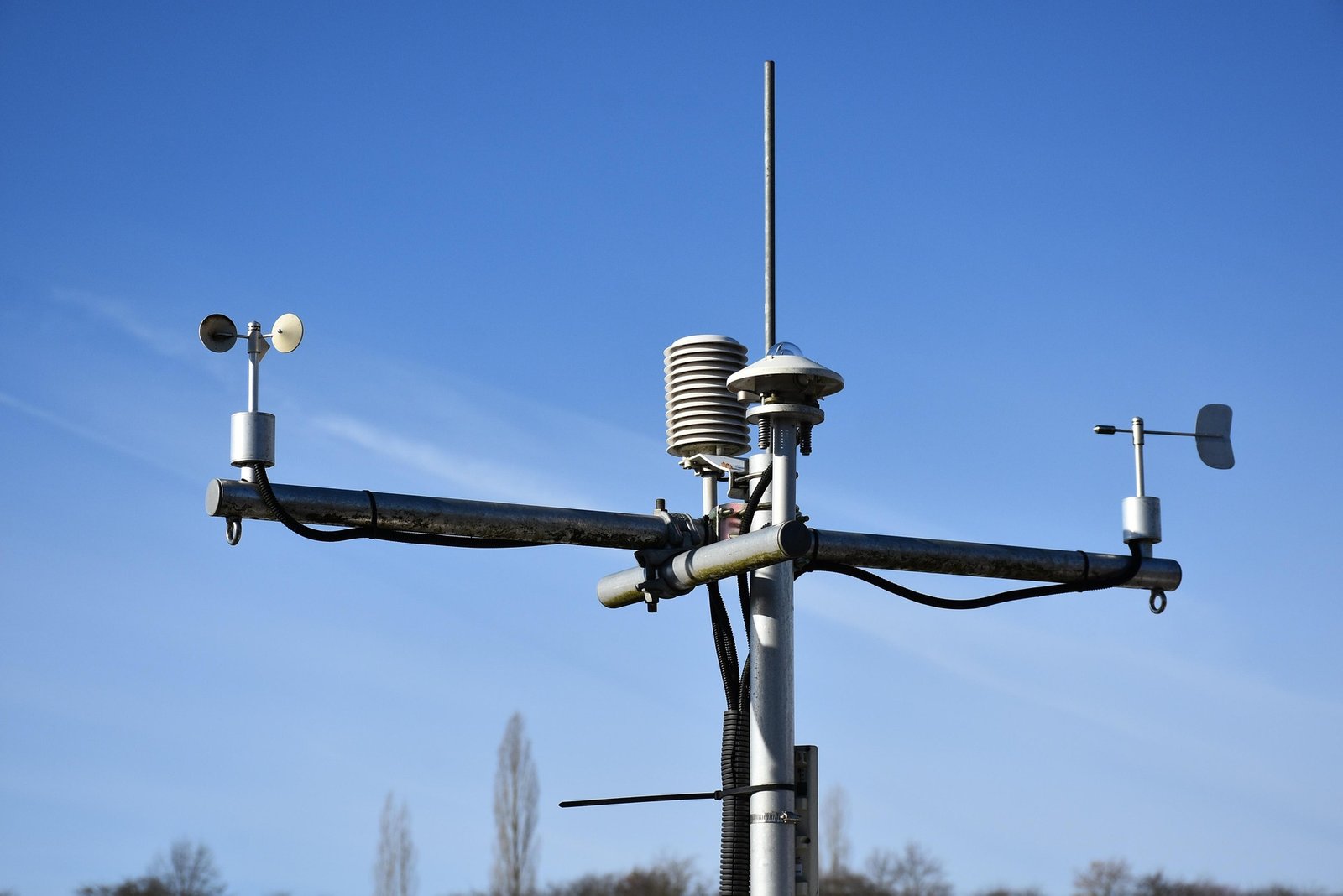
Weather Sheffield is an essential topic for anyone living in or visiting this vibrant South Yorkshire city, where conditions can change quickly throughout the day. Sheffield’s weather is shaped by its unique geography, surrounded by hills and close to the Peak District, which often brings cooler temperatures, frequent rain showers, and sudden bursts of sunshine. From crisp winter mornings with frost to mild summers with occasional heatwaves, Weather Sheffield reflects the full variety of the UK climate. Understanding local forecasts is important for commuting, outdoor plans, and daily life, especially as rainfall and wind can arrive unexpectedly. Whether you are preparing for a damp autumn afternoon, a bright spring morning, or a chilly winter evening, Weather Sheffield remains a key part of staying informed and ready for whatever the skies may bring. Weather Sheffield continues to influence life in the city every day.
Weather Sheffield: Upcoming 10-Day Forecast Table
Day Date Expected Conditions Temperature (°C) Rain Chance Wind Level
Day 1 Tomorrow Cloudy with light showers 6°C – 11°C 40% Moderate
Day 2 Day After Partly sunny, cool breeze 5°C – 10°C 20% Light
Day 3 In 3 Days Rain showers throughout day 7°C – 12°C 60% Moderate
Day 4 In 4 Days Overcast and damp conditions 6°C – 11°C 50% Moderate
Day 5 In 5 Days Sunny intervals, chilly evening 4°C – 9°C 15% Light
Day 6 In 6 Days Light rain in the morning 7°C – 13°C 45% Moderate
Day 7 In 7 Days Mostly cloudy, mild afternoon 8°C – 14°C 25% Light
Day 8 In 8 Days Breezy with scattered showers 6°C – 12°C 55% Strong
Day 9 In 9 Days Cooler day with patchy rain 5°C – 10°C 35% Moderate
Day 10 In 10 Days Dry, cloudy, calm weather 6°C – 11°C 20% Light
Sheffield Weather Patterns and What Makes Them So Unpredictable
Weather Sheffield is well known for being changeable, sometimes shifting from sunshine to rain within the space of a few hours. This unpredictability is one of the most talked-about features of living in the city, and it comes largely from Sheffield’s geographical position. Surrounded by hills and lying close to the Peak District, Sheffield experiences weather that is influenced by both urban conditions and nearby countryside. Moist air moving in from the west often rises over higher ground, creating frequent cloud cover and rainfall, which is why Sheffield can feel wetter than other parts of the region.
One of the defining characteristics of Weather Sheffield is the city’s regular rainfall throughout the year. Unlike places that have long dry spells, Sheffield tends to experience light showers spread across many days. This means residents often carry umbrellas even when the morning starts bright. The city’s weather is rarely extreme, but it is persistent in its variety, with overcast skies, drizzle, and occasional heavier rain forming part of daily life, especially in autumn and winter months.
Seasonal transitions in Sheffield also play a major role in its unpredictable climate. Spring can bring crisp mornings followed by mild afternoons, while autumn often shifts quickly between warm spells and sudden cold snaps. Weather Sheffield during these seasons is especially difficult to forecast in exact detail because conditions can change rapidly with moving fronts across northern England. This is why locals often describe experiencing “four seasons in one day,” particularly in March and October.
Wind is another important element shaping Weather Sheffield. The city’s location means it can experience gusty conditions, especially during winter storms moving across the UK. Wind not only affects how cold temperatures feel but can also increase the likelihood of sudden rain showers. On breezy days, Sheffield’s streets can feel noticeably colder than the forecast suggests, making wind chill an important factor for anyone planning outdoor activities.
Ultimately, Weather Sheffield is shaped by a mix of geography, elevation, seasonal shifts, and the broader UK climate system. While it may be unpredictable, it is also part of what gives Sheffield its distinctive atmosphere, from misty winter mornings to refreshing summer evenings. Understanding these patterns helps residents prepare better, making daily life in Sheffield smoother no matter what the skies decide to bring.
How Weather Sheffield Changes Across the Four Seasons
Weather Sheffield is a true reflection of the classic British climate, offering a full range of seasonal variety across the year. Each season brings its own atmosphere, challenges, and charm, making Sheffield’s weather an important part of everyday life. Because the city sits close to higher ground and open countryside, the shift from winter cold to summer warmth often feels more noticeable than in flatter regions. Understanding how Weather Sheffield behaves through the seasons helps residents plan better, whether for commuting, outdoor events, or simply choosing the right clothing.
Winter in Sheffield is typically cold, damp, and often grey, with shorter days and frequent frost. While heavy snowfall is not constant, Sheffield can experience snow more often than some southern cities due to its elevation and proximity to the Peak District. Icy mornings are common, and temperatures regularly drop close to freezing, especially overnight. Weather Sheffield in winter is also shaped by strong winds and rain, creating a chilly atmosphere that feels sharper than the numbers on a forecast.
Spring is one of the most unpredictable seasons in Weather Sheffield. March and April often bring a mix of bright sunshine, sudden showers, and brisk winds all within the same day. Mornings can start cold, but afternoons may feel surprisingly mild. Spring is also when the city begins to come alive with greener landscapes, but rainfall remains frequent. This season is known for its rapid shifts, which is why Sheffield residents often dress in layers and remain prepared for unexpected changes.
Summer in Sheffield is generally mild rather than intensely hot, though occasional heatwaves do occur. Weather Sheffield during summer often includes pleasant afternoons with temperatures in the high teens or low twenties, making it ideal for outdoor activities. However, even summer can bring cloudy spells and rain showers, reminding everyone that British weather is never completely predictable. The evenings tend to cool down quickly, especially compared to warmer southern regions.
Autumn is a season of noticeable transition in Weather Sheffield, marked by cooling temperatures, darker evenings, and increased rainfall. September may still feel mild, but by October and November, the city becomes wetter and colder. Leaves fall, winds pick up, and the atmosphere turns more seasonal. Autumn storms can bring heavy rain and gusty conditions, making this one of the dampest periods of the year.
Overall, Weather Sheffield changes significantly across the four seasons, offering everything from frosty winter mornings to fresh summer breezes. The city’s climate is shaped by its northern location and surrounding landscape, creating weather that is rarely extreme but often varied. Sheffield’s seasonal shifts are part of its identity, influencing daily routines and giving the city its distinctive character throughout the year.
Rainfall and Cloudy Skies: A Key Feature of Weather Sheffield
Weather Sheffield is often associated with frequent rainfall and overcast skies, making damp conditions one of the most recognisable parts of the city’s climate. While Sheffield does enjoy sunny spells throughout the year, it is also a place where clouds and showers can appear quickly, sometimes without much warning. This is largely due to the city’s location in northern England and its close proximity to higher ground, which influences how moisture moves across the region.
Rainfall in Sheffield is usually steady rather than extreme. Instead of long periods of heavy downpours, the city often experiences light to moderate rain spread across many days. Drizzle, short showers, and grey skies are common, especially during autumn and winter. This pattern means that Weather Sheffield feels consistently damp at certain times of the year, with pavements often wet and the air carrying a cool freshness. Locals are well accustomed to carrying umbrellas or waterproof jackets as part of everyday life.
Cloud cover is another major feature shaping Weather Sheffield. The surrounding hills and the nearby Peak District can cause moist air to rise, forming clouds more easily. As a result, Sheffield can have days that remain overcast even when nearby areas experience clearer skies. These cloudy conditions contribute to the city’s cooler feel, as sunshine is often filtered or limited, particularly during winter months when daylight is already short.
Autumn is typically the wettest season in Sheffield, with increased rainfall and frequent windy weather systems moving across the UK. During this period, Weather Sheffield can feel especially grey and unsettled, with rain arriving in waves and temperatures gradually dropping. Winter continues this trend, often bringing a mix of rain, frost, and occasional snow, creating slippery conditions on colder days.
Even in spring and summer, rainfall remains part of Sheffield’s climate. Summer showers are common, sometimes appearing suddenly after warm mornings. This combination of mild warmth and rainfall contributes to Sheffield’s lush green landscapes, parks, and surrounding countryside. The city’s greenery is one of the most visible results of its frequent rain, giving Sheffield a fresh and vibrant natural character.
Ultimately, rainfall and cloudy skies are central to understanding Weather Sheffield. While the city may not always offer long stretches of bright sunshine, its climate creates a distinctive atmosphere and supports the natural beauty of the region. Sheffield’s weather is a blend of damp freshness, seasonal rain, and occasional clear days, making preparation essential for anyone living in or visiting this unique northern city.
Temperature Trends and Seasonal Averages in Sheffield
Weather Sheffield is defined not only by rainfall and cloud cover but also by its distinct temperature patterns across the year. While the city rarely experiences extreme heat or severe cold, its climate offers noticeable seasonal shifts that affect daily life and planning. Understanding Sheffield’s temperature trends is key for residents, tourists, and anyone looking to enjoy outdoor activities in this northern English city.
Winter temperatures in Sheffield are generally cool, with average highs ranging from 5°C to 7°C and overnight lows often near freezing. Frost is common in December and January, and residents experience chilly winds that intensify the cold, especially across exposed hills and open areas. Snowfall can occur, but it is usually light and sporadic, adding to the city’s seasonal atmosphere rather than creating prolonged disruption. Layered clothing and warm outerwear become essential for commuting and daily life during these months.
Spring brings a gradual increase in temperatures, with highs typically ranging between 10°C and 15°C. Mornings may still be chilly, but afternoons can be pleasantly mild, making outdoor activities more comfortable. The unpredictability of Weather Sheffield is especially evident in spring, where sunny intervals can be followed by sudden rain showers. This mix of warmth and moisture contributes to the blossoming of parks, gardens, and surrounding landscapes, creating a visually striking seasonal change.
Summer in Sheffield is generally mild, with average highs between 18°C and 22°C, although heatwaves can occasionally push temperatures higher. Nights remain cooler, often dropping to around 12°C, which makes evenings refreshing. Even during summer, Weather Sheffield can include sporadic rainfall and cloud cover, keeping the city green and maintaining comfortable humidity levels. This temperate climate makes Sheffield an ideal location for outdoor recreation, from exploring city parks to venturing into the Peak District nearby.
Autumn sees temperatures gradually decrease, with highs between 10°C and 15°C in September and October, dropping further as winter approaches. Cooler evenings and crisp mornings become more common, and the dampness associated with Sheffield’s weather is heightened by rainfall. The transition from mild summer days to chilly winter nights is noticeable, making autumn a season where layering clothing becomes particularly important.
Overall, Sheffield’s temperature patterns are moderate but clearly seasonal, with cooler winters, mild springs, temperate summers, and gradually chilling autumns. Understanding these trends is vital for planning daily life, travel, and outdoor activities. Weather Sheffield is a balance of gentle temperature variations combined with rainfall and cloud cover, creating a climate that is dynamic, fresh, and distinctly northern English in character.
Wind, Storms, and Their Effects on Weather Sheffield
Wind plays a significant role in shaping Weather Sheffield, influencing both how cold or warm it feels and how rainfall behaves throughout the city. While Sheffield is not typically exposed to the most severe storms in the UK, its position near the Peak District and elevated areas means gusty conditions can occur, especially during autumn and winter months. Wind affects daily life by increasing the chill factor, making temperatures feel lower than reported, and can also bring sudden showers from the surrounding hills into the city.
Storms in Sheffield are usually moderate but can occasionally be strong enough to cause disruption. Heavy rain combined with gusty winds can make commuting or outdoor activities more challenging, particularly for cyclists or pedestrians. While extreme weather events are rare, Sheffield has experienced occasional localized flooding in low-lying areas during prolonged rainfall, highlighting the importance of monitoring forecasts and being prepared for sudden weather changes.
The impact of wind is most noticeable in exposed areas of the city and near open parks or elevated roads. Breezy conditions can make even mild temperatures feel cooler, especially in spring and autumn. Conversely, in summer, a gentle breeze often provides welcome relief during warmer days, improving comfort for outdoor activities. This variability is a defining feature of Weather Sheffield, as wind can transform a sunny day into a chilly experience within hours.
Storms arriving from the west or southwest often bring the heaviest precipitation, combining rain and wind to create damp, blustery days. These weather systems move across northern England and interact with Sheffield’s hilly terrain, leading to rapid changes in local conditions. Residents often describe experiencing sudden showers or wind gusts even when the rest of the region remains calm, demonstrating the city’s microclimate characteristics.
Overall, wind and storms are an integral part of Weather Sheffield, affecting how residents perceive temperature, rainfall, and seasonal conditions. Being aware of wind patterns and potential storms helps locals plan daily activities, dress appropriately, and ensure safety during inclement conditions. Sheffield’s weather is dynamic, and understanding the role of wind and storms is key to navigating the city’s climate successfully.
Sunshine, Daylight Hours, and Seasonal Variations in Sheffield
Weather Sheffield is influenced not only by rain, wind, and temperature but also by the city’s patterns of sunshine and daylight. As with much of the UK, Sheffield experiences significant seasonal variation in daylight hours, which directly affects how the weather feels and how residents plan their daily routines. Long summer days bring extended sunlight and milder temperatures, while short winter days often feel colder and gloomier, contributing to the city’s well-known overcast reputation.
During summer, Sheffield enjoys its longest days, with sunrise occurring around 5:00 AM and sunset near 9:30 PM at the peak of June. These extended daylight hours provide ample time for outdoor activities, from hiking in nearby Peak District hills to enjoying riverside walks in the city. Weather Sheffield in summer is usually mild, with longer periods of sunshine interspersed with occasional rain showers. The combination of light, warmth, and greenery makes summer the most popular season for locals and tourists alike.
Winter, in contrast, brings much shorter days, with daylight often lasting only from around 8:00 AM to 4:00 PM in December. Reduced sunshine combined with cold, damp conditions can make the city feel darker and chillier than the temperatures suggest. Overcast skies are particularly common during winter months, limiting sunlight exposure and creating a distinctive winter atmosphere. Residents often plan activities around available daylight, which can affect commuting, exercise, and recreational plans.
Spring and autumn are transitional seasons, offering a mix of sunlight and cloudy conditions. In spring, daylight gradually increases, bringing more warmth and brighter mornings, though occasional rain showers and gusty winds are common. Autumn sees decreasing daylight hours, often paired with overcast skies and wetter conditions. These seasonal variations influence not only daily life but also the city’s landscape, highlighting the changing beauty of parks, streets, and surrounding countryside as the year progresses.
Understanding sunshine patterns and daylight hours is essential for navigating Weather Sheffield effectively. From long, light-filled summer evenings to short, grey winter days, the city’s seasonal sunlight variations shape its climate and daily routines. Residents adapt by planning activities around daylight availability, making the most of sunny spells, and preparing for the darker, cooler periods that are part of Sheffield’s unique northern English weather character.
Microclimates and Local Variations Across Sheffield
Weather Sheffield is not uniform across the city, as local topography and urban development create distinct microclimates that influence daily conditions. The city’s position near hills, valleys, and the Peak District means that weather can vary significantly between neighbourhoods. For example, elevated areas often experience stronger winds, cooler temperatures, and more rainfall, while lower-lying districts may feel milder and slightly warmer. Understanding these microclimates is key to interpreting Sheffield’s unpredictable weather patterns.
Rainfall in Sheffield can differ even over short distances. Northern districts closer to the hills often receive heavier showers, as moist air rises and cools over elevated terrain. In contrast, areas in the southern or central parts of the city may experience less intense rain, sometimes only seeing drizzle while nearby suburbs are soaked. These local variations highlight how Sheffield’s geography interacts with broader weather systems, making precise forecasts essential for residents and visitors.
Temperature differences are also noticeable across Sheffield. High-altitude areas, such as parts of the western and northern suburbs, often feel cooler than the city centre, especially in winter. Frost forms earlier on hilltops, and snow tends to settle longer than in lower districts. Conversely, urban areas with more buildings and paved surfaces retain heat better, creating slightly warmer conditions during cold spells. Microclimates thus play an important role in everyday life, influencing commuting, outdoor activities, and gardening.
Wind patterns in Sheffield are similarly affected by local geography. Valleys can channel gusts, creating windier conditions than open plains, while hills may act as barriers in some directions. This explains why one part of the city may experience blustery weather while another nearby area remains calm. Microclimates also affect sunshine exposure; some districts may enjoy more daylight during cloudy days if nearby hills do not obstruct sunlight.
Overall, Sheffield’s microclimates make the city’s weather dynamic and occasionally unpredictable. Residents learn to anticipate differences between neighbourhoods, adjusting clothing, travel plans, and outdoor activities accordingly. Weather Sheffield is a complex combination of rainfall, temperature, wind, and sunlight, all shaped by local variations that give the city its distinctive climate character.
Weather Sheffield in Travel and Daily Life
Weather Sheffield plays a significant role in shaping daily routines, travel plans, and lifestyle choices for both residents and visitors. The city’s variable climate affects commuting, outdoor activities, and recreational plans, making awareness of forecasts essential. From cycling to work to enjoying city parks or exploring the nearby Peak District, Weather Sheffield determines how people plan their days and manage the unpredictability of rain, wind, and temperature changes.
Commuting in Sheffield is heavily influenced by the weather. Rain showers and gusty winds, particularly during autumn and winter, can make travel challenging for pedestrians and cyclists. Road conditions can also be affected, with damp streets creating slippery surfaces and frost occasionally forming in cold spells. Public transport operators often advise passengers to plan extra time during adverse weather, highlighting how important Weather Sheffield is in daily city life.
Tourism and outdoor recreation are similarly shaped by Sheffield’s climate. The city’s proximity to the Peak District attracts walkers, hikers, and nature enthusiasts who must consider local weather patterns before venturing out. Sudden rain or wind can transform a pleasant day into a challenging outdoor experience, making accurate forecasts critical. Even within the city, residents often time visits to parks or outdoor markets around sunny intervals, reflecting the practical impact of Weather Sheffield on daily activities.
Events and festivals in Sheffield are planned with its weather in mind. From summer concerts to winter markets, organisers often account for rain or wind, sometimes providing covered areas or rescheduling outdoor programs. Seasonal variations, such as longer daylight in summer or chillier autumn evenings, also influence attendance and how events are experienced. Weather Sheffield, therefore, is an invisible but central part of city life, affecting cultural and social planning throughout the year.
Ultimately, Weather Sheffield is more than a backdrop; it is a daily consideration that shapes the rhythm of life in the city. From commuting to recreation, tourism, and event planning, the local climate influences decisions, preparedness, and enjoyment. Understanding and anticipating Sheffield’s weather ensures that residents and visitors can make the most of the city’s unique character while staying comfortable and safe, no matter what the skies bring.
Weather Sheffield and Its Impact on Health and Lifestyle
Weather Sheffield plays a notable role in influencing the health, well-being, and lifestyle choices of its residents. The city’s climate, characterised by frequent rainfall, cloudy skies, and variable temperatures, affects daily routines, outdoor exercise, and even mental health. Understanding these impacts helps locals adapt, ensuring that they maintain a balanced lifestyle despite the challenges posed by unpredictable weather.
One significant way Weather Sheffield affects health is through its seasonal temperature changes. Cold winters, with frosty mornings and occasional snow, require residents to take precautions against cold-related illnesses such as colds, flu, and hypothermia. Dressing in layers, using appropriate footwear, and limiting exposure to icy conditions are all essential for maintaining physical well-being during these months. Similarly, mild but wet summers necessitate protection against damp conditions and sudden showers.
Mental health is also influenced by Sheffield’s weather patterns. Overcast skies and limited sunlight, particularly during autumn and winter, can contribute to seasonal mood variations or low energy levels. Residents often compensate with indoor activities, vitamin D supplementation, and planning outdoor exposure during sunny intervals. Weather Sheffield highlights the importance of mental and emotional preparation alongside physical health strategies in managing seasonal fluctuations.
The city’s rainfall and cloudiness affect lifestyle choices, particularly outdoor recreation and exercise. Walking, cycling, and jogging are popular in Sheffield, but residents must plan around showers and gusty winds. Parks and nature reserves, including the nearby Peak District, remain accessible year-round, but adapting to local weather ensures safety and comfort. Indoor alternatives, such as gyms, sports centres, and community activities, become essential during wetter or colder periods.
Overall, Weather Sheffield has a clear impact on both health and lifestyle. Residents adapt by adjusting clothing, planning activities around forecasts, and being mindful of seasonal mental and physical health challenges. The city’s dynamic climate shapes daily life in ways that influence comfort, safety, and well-being. Understanding and respecting Weather Sheffield allows locals to enjoy the city fully, maintain healthy routines, and embrace outdoor activities safely, no matter the conditions.
Preparing for Weather Sheffield: Tips for Residents and Visitors
Weather Sheffield is famously changeable, making preparation essential for both residents and visitors. With a combination of rainfall, wind, variable temperatures, and occasional frost, planning ahead ensures that daily routines, travel, and outdoor activities remain comfortable and safe. Understanding local forecasts and adapting clothing and schedules accordingly is a key part of living in or exploring Sheffield.
One of the simplest ways to prepare for Weather Sheffield is through appropriate clothing. Waterproof jackets, sturdy footwear, and layers are essential for managing sudden rain showers or chilly mornings. In winter, hats, scarves, and gloves provide extra protection, especially when temperatures drop below freezing or when wind gusts increase the chill factor. During warmer months, lighter layers with a rainproof outer layer are ideal for unpredictable summer showers.
Monitoring local forecasts is another important strategy. Weather Sheffield can change rapidly, and even short-term predictions help residents plan commutes, outdoor exercise, and social activities. Mobile apps, weather websites, and local news provide timely updates on rainfall, temperature, and wind conditions, allowing people to adapt their day accordingly. Awareness of upcoming storms or unusually windy days also helps in protecting property and ensuring personal safety.
Practical considerations extend to travel and commuting. Drivers should account for wet or icy roads, cyclists for gusty winds and damp conditions, and pedestrians for slippery pavements. Being prepared with umbrellas, waterproof bags, and sturdy shoes reduces stress and makes navigating Sheffield easier, regardless of the weather. Similarly, tourists planning visits to parks, landmarks, or the Peak District benefit from flexibility in timing and route planning.
Lastly, lifestyle adaptations are essential for coping with Weather Sheffield. Embracing indoor activities on rainy days, planning outdoor recreation around sunny intervals, and maintaining mental and physical health during darker months are all effective strategies. Weather Sheffield, while unpredictable, becomes manageable with awareness, preparation, and flexibility, ensuring residents and visitors can enjoy the city fully year-round.
Weather Sheffield FAQs
What is the general climate in Sheffield?
Sheffield has a temperate maritime climate, characterised by mild summers, cool winters, frequent rainfall, and variable cloud cover. Weather can change quickly due to the city’s proximity to hills and the Peak District.
When is the wettest season in Sheffield?
Autumn and winter are typically the wettest seasons in Sheffield. Rainfall is frequent, often in the form of light showers or drizzle, with occasional heavier storms during these months.
How cold does it get in Sheffield during winter?
Winter temperatures usually range from 0°C to 7°C. Frost is common in December and January, and snowfall can occur, especially in elevated areas, though heavy snow is rare.
Does Sheffield experience heatwaves in summer?
Sheffield summers are generally mild, with average highs between 18°C and 22°C. Occasional heatwaves may push temperatures higher, but extreme heat is uncommon.
How windy is Sheffield throughout the year?
Wind levels in Sheffield vary depending on location and season. Elevated areas are windier, especially in autumn and winter, while summer tends to have lighter breezes.
Why does Sheffield have frequent cloudy skies?
Cloud cover is influenced by Sheffield’s topography. Hills and nearby Peak District terrain cause moist air to rise, forming clouds and often leading to overcast conditions.
How does Sheffield’s weather affect outdoor activities?
Weather Sheffield’s rain, wind, and temperature variations impact outdoor plans. Residents often adjust timing, clothing, and activity type to account for sudden showers or gusts.
What are the daylight hours like in Sheffield?
Daylight varies seasonally. In summer, days can last from 5:00 AM to 9:30 PM, while winter days are shorter, typically from 8:00 AM to 4:00 PM, affecting how the weather is experienced.
Are there microclimates in Sheffield?
Yes, local geography creates microclimates. Elevated areas are cooler and windier, while lower districts are slightly warmer. Rainfall can also differ between neighbourhoods.
How can residents prepare for Sheffield’s weather?
Preparation involves checking local forecasts, dressing in layers, using waterproof clothing, planning travel around rain or wind, and adjusting daily activities to seasonal conditions.
To Read More: The Britain News Journal